
Kerala’s cultural heritage is reflected not only in its festivals, architecture, and traditional art forms but also in the handmade crafts local artisans create. Across the state, generations of craftspeople have developed specialised skills in working with metal, wood, clay, coconut fibre, bamboo, and textiles.
These traditional crafts are closely connected to the everyday life of Kerala. Some were developed to create household utensils and agricultural tools, while others became part of temple architecture, religious ceremonies and cultural celebrations.
Behind every handmade product is a process that requires patience, practical knowledge and years of experience. Exploring these traditions offers travellers an opportunity to understand another side of Kerala and the communities that continue to preserve its craftsmanship.
1. Aranmula Kannadi: The Traditional Metal Mirror

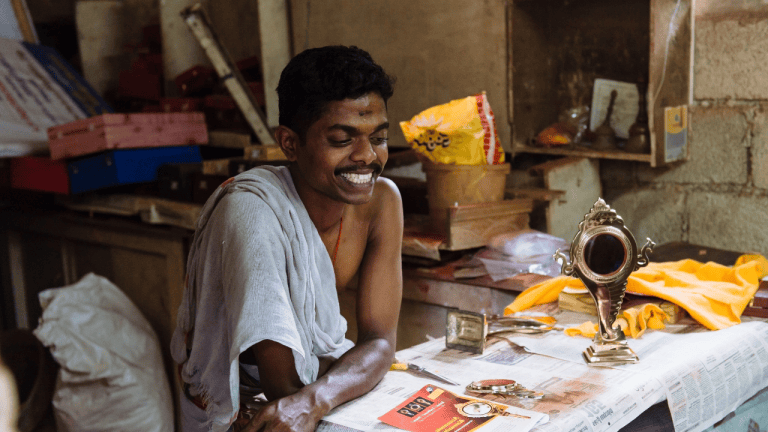
Aranmula Kannadi is one of Kerala’s most distinctive traditional crafts. It is produced in Aranmula, a village in Pathanamthitta district, and is known for its unusual reflective surface.
Unlike an ordinary mirror, which uses glass with a reflective coating, Aranmula Kannadi is made from a specially prepared metal alloy. The mirror-making process involves preparing the alloy, casting the mirror and carefully polishing its surface to achieve its reflective finish.
The process requires considerable skill. Even small variations during production can affect the final result. Traditional manufacturing knowledge has been preserved within a limited number of artisan families, who continue to practise this specialised craft.
Aranmula Kannadi is also associated with Kerala’s cultural and ceremonial traditions. It is often regarded as an auspicious object and is used in traditional arrangements and celebrations.
For travellers visiting Pathanamthitta, Aranmula offers an opportunity to learn about this distinctive craft and its connection to the region’s heritage.
2. Bell Metal Craftsmanship in Mannar and Kunhimangalam

Metal craftsmanship has an important place in Kerala’s traditional industries. Artisans have long worked with metals to create lamps, bells, vessels and decorative objects used in homes and religious spaces.
Bell metal is traditionally made using an alloy of copper and tin. Working with this material involves several stages, including preparing the metal, casting or shaping it, and finishing the surface.
One familiar example is the traditional Kerala Nilavilakku, an oil lamp commonly used in homes, temples and cultural functions. Its design and polished finish reflect the skills of traditional metalworkers.
Mannar in Alappuzha district is particularly known for its metal craftsmanship. Kunhimangalam in Kannur is another recognised centre for traditional metalwork.
These places demonstrate how specialised artisan communities have maintained metalworking traditions through practical knowledge and experience passed between generations.
3. Traditional Handloom Weaving in Balaramapuram and Chendamangalam

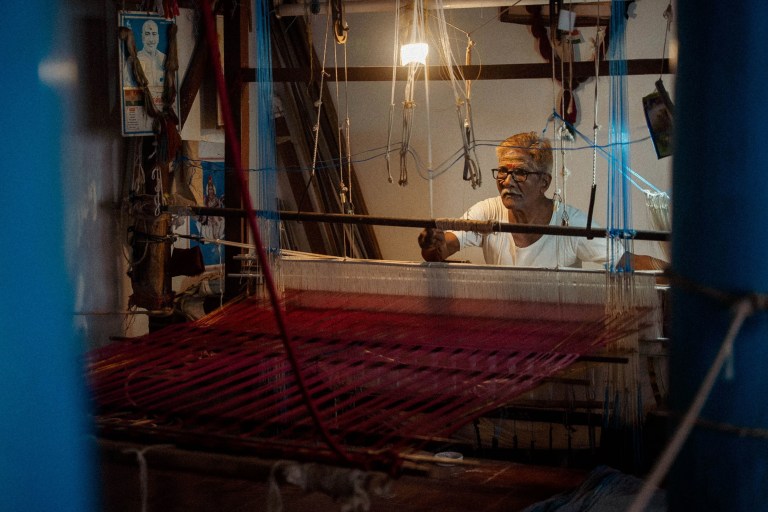
Handloom weaving is another important part of Kerala’s cultural and industrial heritage. Traditional weavers produce fabrics using techniques that require accuracy, patience and an understanding of yarn, patterns and loom operation.
Balaramapuram in Thiruvananthapuram district is widely recognised for its traditional handloom industry. The region is particularly associated with fine cotton fabrics and Kasavu textiles, known for their characteristic golden borders.
Chendamangalam in Ernakulam district is another important handloom centre. Its weaving tradition has contributed to Kerala’s textile heritage, with locally produced fabrics reflecting traditional designs and weaving practices.
The weaving process involves preparing the yarn, arranging it on the loom and carefully interlacing the threads to produce the fabric. The quality and appearance of the finished textile depend on the skill of the weaver and the techniques used.
Traditional handloom products continue to be associated with Kerala’s cultural celebrations, especially during festivals and important family occasions.
4. Coir Craftsmanship in Alappuzha and Cherthala
Coconut is an important natural resource in Kerala, and its different parts have been used in traditional industries for generations. Coir production is a good example of how local communities have developed useful products from materials available in their surroundings.
Coir fibre is extracted from coconut husks. The husks are processed to separate the fibres, which are then cleaned and spun into yarn. This yarn is used to manufacture products such as ropes, mats, floor coverings and other household items.
Alappuzha has a strong connection with Kerala’s coir industry. Cherthala and surrounding areas are also associated with coir production and related activities.
The process involves different stages of work and supports a network of workers involved in fibre extraction, spinning, weaving and product manufacturing.
Coir craftsmanship is an important part of the region’s industrial heritage. It also shows how traditional knowledge can turn an agricultural by-product into a useful material.
5. Bamboo and Cane Craftsmanship
Bamboo and cane have traditionally been used in Kerala to create practical household products and decorative items. Their flexibility and strength make them suitable for different types of handmade work.
Artisans begin by selecting and preparing the material. Bamboo may be cut and split into strips of different widths before being shaped or woven. Depending on the design, these strips can be used to create baskets, storage containers, furniture and decorative products.
The weaving process requires control over the thickness, flexibility and arrangement of the material. Different patterns are used to achieve the required strength and appearance.
Bamboo and cane crafts are found in different parts of Kerala, including regions where these natural materials are readily available. They also reflect the traditional use of locally sourced resources in everyday life.
Today, these materials are also used in contemporary interior products and handmade designs, giving traditional skills new applications.
6. Traditional Pottery and Clay Craft

Pottery is one of the oldest forms of craftsmanship practised in Kerala. Clay has traditionally been used to make cooking vessels, water containers, lamps and other household objects.
The process begins with preparing the clay to achieve a suitable consistency. The potter then shapes it by hand or on a potter’s wheel. Once the product has been formed, it is dried and fired to make it stronger and more durable.
Aruvacode in Malappuram district is associated with traditional pottery and clay products. The region is known for its connection to local pottery traditions and artisan work.
Although modern household products have changed the demand for traditional clay vessels, pottery remains an important example of the relationship between handmade skills and everyday life.
7. Wood Carving: Craftsmanship in Kerala's Traditional Architecture
Wood carving has a long association with Kerala’s traditional architecture. Skilled craftspeople have used wood to create decorative features for traditional houses, temples, furniture and other architectural structures.
The designs often include floral patterns, leaves, geometric details and figures inspired by mythology and religious traditions.
Creating a carved wooden feature requires more than basic cutting skills. Artisans must understand the properties of different types of wood, the design being followed, and the tools required to produce fine details.
Kerala’s traditional wooden architecture provides some of the most visible examples of this craftsmanship. Carved doors, pillars, ceilings and decorative panels demonstrate how woodwork became an important part of the state’s architectural identity.
Where Can Travellers Experience Traditional Craftsmanship in Kerala?
Travellers interested in Kerala’s craft heritage can explore destinations associated with particular artisan communities and traditional industries.
Some places worth including in a cultural itinerary are:
- Aranmula, Pathanamthitta: Known for the traditional Aranmula Kannadi metal mirror.
- Mannar, Alappuzha: Associated with traditional bell metal and metalwork.
- Kunhimangalam, Kannur: Known for its traditional metal craftsmanship.
- Balaramapuram, Thiruvananthapuram: An important centre for Kerala’s handloom weaving tradition.
- Chendamangalam, Ernakulam: Recognised for its traditional handloom industry.
- Alappuzha and Cherthala: Closely associated with Kerala’s coir industry.
- Aruvacode, Malappuram: Associated with traditional pottery and clay products.
Another place visitors can consider is the Kerala Arts and Crafts Village at Vellar, near Kovalam. It provides a space for exploring different craft traditions through its studios, galleries and artisan-related activities.
Before planning a visit to a particular workshop or craft centre, travellers should check its opening arrangements and whether demonstrations or visitor access are available.
Challenges Faced by Kerala's Traditional Artisans
Traditional craftsmanship requires specialised knowledge that is often developed over many years. However, maintaining these skills can be challenging in a changing economy.
Machine-made products and mass production have created competition for certain handmade goods. The cost and availability of raw materials can also affect small artisan businesses.
Another important consideration is the transfer of knowledge between generations. Traditional crafts depend on people learning techniques through practice, observation and guidance from experienced artisans.
Supporting these communities involves more than purchasing handmade products. Visiting genuine craft centres, learning about the production process and sharing information about local artisans can help create greater awareness of their work.
Preserving traditional craftsmanship is also about recognising the people and knowledge behind each product.
Why Traditional Craftsmanship Is an Important Part of Kerala's Heritage
Traditional crafts provide a connection between Kerala’s history and its present-day communities. They show how people used available materials, developed specialised techniques and created products suited to their surroundings.
Each craft also represents a different kind of knowledge. Metalworkers understand the behaviour of alloys, weavers work with patterns and yarn, potters understand clay preparation and firing, while coir workers transform coconut husk into useful fibre.
These skills are part of the state’s cultural identity and deserve attention beyond their commercial value.
For travellers, learning about these traditions can make a visit to Kerala more meaningful. It provides an opportunity to discover local communities, understand regional differences and appreciate the work involved in preserving traditional skills.
Conclusion
Traditional craftsmanship remains an important part of Kerala’s cultural heritage. From the specialised metal mirrors of Aranmula to the bell metal work of Mannar, the handlooms of Balaramapuram and the coir traditions of Alappuzha, each craft tells a story of skill, materials and local knowledge.
Although lifestyles and industries continue to change, the value of these traditional skills remains significant. Exploring Kerala’s artisan communities helps travellers understand the people behind its cultural traditions and the work involved in keeping these crafts alive.