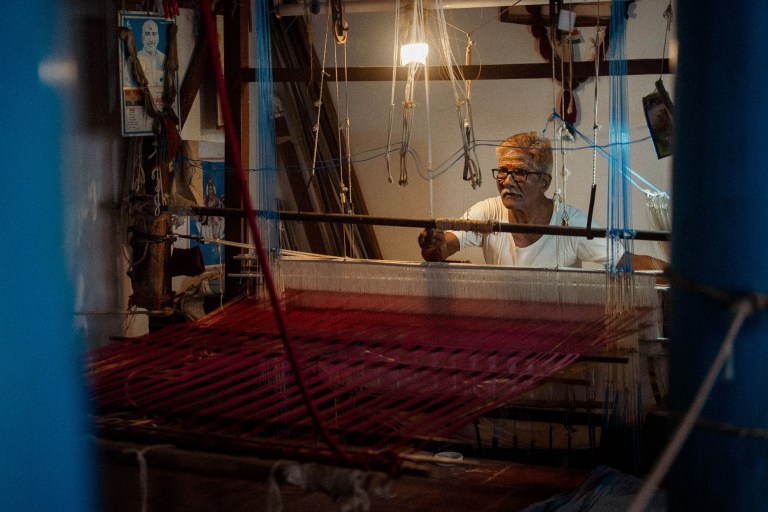

Kerala is known for its rich culture, traditional clothing, and skilled craftsmanship. Among its many traditions, handloom weaving holds a special place. For generations, weavers across the state have produced sarees, mundus, and other textiles using traditional techniques passed down through families.
Kerala handloom is particularly known for its cream-coloured fabrics and golden Kasavu borders. However, the state’s weaving tradition goes beyond traditional sarees. Different regions have their own specialities, from the fine cotton fabrics of Balaramapuram to the traditional garments of Chendamangalam and the sarees of Kuthampully.
If you are exploring Kerala and want to learn more about its cultural heritage, discovering the state’s handloom traditions can be an interesting addition to your travel experience.
What Makes Kerala Handloom Special?
Kerala handloom is valued for its traditional designs, cotton fabrics, and the skill required to produce each piece. Unlike mass-produced textiles, handloom fabrics are woven on handlooms, requiring patience and attention to detail.
The process involves preparing the yarn, arranging the threads, and weaving them into the finished fabric. Traditional borders and patterns require additional care to achieve a consistent design.
Handloom products are also closely connected to Kerala’s festivals, weddings, and cultural celebrations. Traditional sarees, mundus, and set mundu remain popular choices for occasions such as Onam, Vishu, and weddings.
Kerala Kasavu: A Traditional Favourite
Kasavu is one of the most recognisable features of Kerala’s traditional clothing. It is associated with the golden zari used in the borders of garments, often paired with cream or off-white fabric.
Kasavu sarees and set mundu are popular during festivals, weddings, and other special occasions. Their simple colours and elegant borders have made them an enduring part of Kerala’s traditional dress.
Today, Kasavu-inspired clothing is available in different designs and styles. While traditional garments retain their classic appearance, contemporary versions may include additional patterns and decorative details.
When purchasing a Kasavu garment, remember that a golden border alone does not guarantee that the product is handwoven. Checking the material, product details, and seller’s information can help you make a more informed choice.
Famous Handloom Centres in Kerala

Kerala has several well-known handloom centres, each associated with particular products and weaving traditions. Balaramapuram, Chendamangalam, and Kuthampully are among the important centres, while Kannur is known for its wider range of textiles and home furnishings.
1. Balaramapuram, Thiruvananthapuram
Balaramapuram is one of Kerala’s best-known traditional weaving centres. Located near Thiruvananthapuram, it has a long history of producing fine cotton textiles and traditional garments.
The region is particularly associated with cotton sarees and fabrics featuring golden borders. These products are appreciated for their simple designs, traditional appearance, and fine weaving.
Balaramapuram is worth exploring if you are interested in Kerala’s traditional sarees and cotton textiles. Travellers visiting Thiruvananthapuram can consider adding a handloom-related stop to their itinerary.
2. Chendamangalam, Ernakulam
Chendamangalam is another important centre of Kerala’s handloom tradition. It is known for traditional garments such as dhotis, sarees, and set mundu.
The region has a long weaving history, and its textiles are valued for their distinctive borders and traditional designs. Chendamangalam’s handloom heritage reflects the craftsmanship of local weaving communities.
Travellers exploring Ernakulam district can consider learning more about the area’s textile traditions and looking for locally made handloom products. If you want to see weaving in progress, check visitor access with a local weaving centre before planning your visit.
3. Kuthampully, Thrissur
Kuthampully, in Thrissur district, is widely associated with traditional handwoven sarees, dhotis, and set mundu.
Its textiles are known for their cotton fabric and traditional Kasavu designs. The combination of simple colours and decorative borders makes Kuthampully products popular among people who prefer traditional Kerala clothing.
For visitors interested in local craftsmanship, Kuthampully offers another way to discover Kerala’s textile heritage. You can explore local handloom outlets and ask about the products made in the region.
4. Kannur, Northern Kerala
Kannur has an established textile and weaving tradition. In addition to clothing, the region is known for woven household products such as bed linen, curtains, and other home furnishings.
This makes Kannur an interesting destination for travellers who want to explore a wider range of handloom products beyond traditional sarees and mundus.
If you are travelling through northern Kerala, you can look for local textile shops and handloom outlets to discover the products associated with the region.
How Are Traditional Handloom Fabrics Made?

Traditional handloom weaving involves several stages, beginning with the preparation of the yarn.
The threads are arranged on the loom before the weaver begins interlacing them to create the fabric. The process requires careful control of the threads to maintain the fabric’s structure and design.
Decorative borders and patterns may require additional attention, particularly when producing traditional garments. After weaving, the fabric undergoes finishing processes before it is ready for sale.
Although modern machinery is used throughout the textile industry, traditional handloom weaving continues to preserve skills that have been passed down through generations.
Where Can You Explore Kerala Handloom?
If you want to discover Kerala’s handloom heritage, you can explore the regions known for their traditional textiles.
Balaramapuram is a good starting point for those interested in cotton sarees and Kasavu garments. Chendamangalam is associated with traditional dhotis and set mundu, while Kuthampully is known for its handwoven sarees. Kannur is worth exploring if you are interested in textiles and household furnishings.
You can look for local handloom cooperatives, established textile outlets, and exhibitions featuring traditional products. Some weaving centres may allow visitors to learn about the process, but access and demonstrations vary. Contact the centre in advance if watching the weaving process is an important part of your visit.
Tips for Buying Kerala Handloom Products
Traditional handloom products can make meaningful souvenirs or gifts from Kerala. Before making a purchase, consider a few practical points.
- Check the material: Ask whether the fabric is cotton, silk, or a blend.
- Look at the product details: Check information about the fabric, origin, and weaving method.
- Choose reliable sellers: Established textile shops and handloom cooperatives can help you understand what you are buying.
- Compare quality and price: Costs vary depending on the material, design, craftsmanship, and time required to produce the product.
- Ask about authenticity: If you specifically want handwoven fabric, ask the seller for clear product information and any applicable certification.
Understanding the differences between regional products can also help you choose something that reflects Kerala’s traditional craftsmanship.
Why Kerala Handloom Is Worth Preserving
Kerala’s handloom tradition represents generations of knowledge, craftsmanship, and cultural identity. Each weaving centre contributes its own products and techniques to the state’s textile heritage.
Handloom production also supports the livelihoods of weavers and others involved in producing and selling traditional textiles. Preserving these skills helps keep traditional craftsmanship alive while allowing new generations to appreciate its cultural value.
For travellers, learning about handloom offers a different perspective on Kerala. It provides an opportunity to understand the work behind traditional garments and discover the people and communities connected to this heritage.
Conclusion
Kerala handloom is an important part of the state’s cultural heritage, combining traditional weaving skills with distinctive regional designs. From the cotton sarees of Balaramapuram to the traditional garments of Chendamangalam and Kuthampully, each centre contributes to Kerala’s rich textile tradition.
For travellers who want to experience a different side of Kerala, exploring its handloom heritage can be a meaningful addition to their journey. It offers an opportunity to discover local traditions, appreciate the work of skilled artisans, and learn more about the craftsmanship that continues to shape Kerala’s cultural identity.