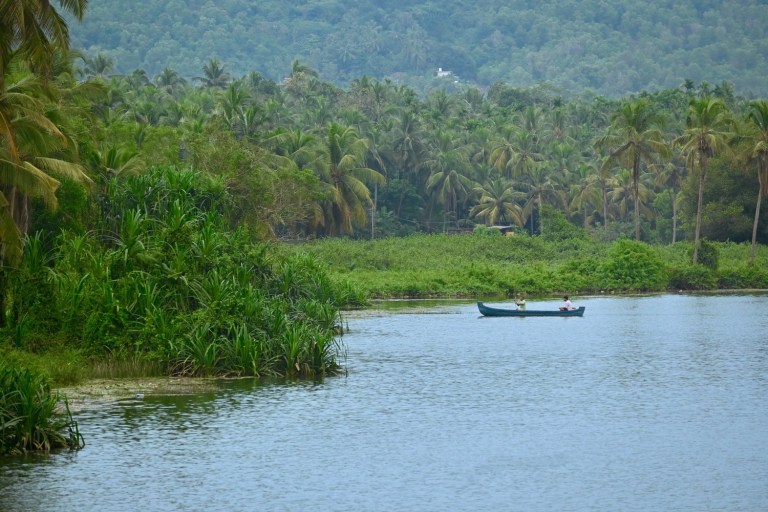

Kerala is famous for its backwaters, beaches, and hill stations. But beyond these attractions lies a spectacular wilderness protected within the national parks in Kerala. Located in the Western Ghats, a UNESCO World Heritage Site and one of the world’s richest biodiversity hotspots, these parks safeguard rare wildlife, dense forests, and fragile ecosystems.
The Kerala Forest Department manages these protected areas under the Wildlife Protection Act of 1972, ensuring the conservation of endangered species and natural habitats. From the high-altitude grasslands of Eravikulam National Park to the pristine rainforest of Silent Valley National Park and the wildlife-rich landscapes of Periyar National Park, Kerala offers incredible opportunities for eco-tourism and wildlife exploration.
In this guide, we explore all six national parks in Kerala, their unique landscapes, wildlife, and why they are essential for conservation in the Western Ghats.
| National Park | Area | Established | Key Attraction |
|---|---|---|---|
| Eravikulam National Park | 97 km² | 1978 | Nilgiri Tahr & Anamudi Peak |
| Silent Valley National Park | 237 km² | 1984 | Tropical rainforest & lion-tailed macaque |
| Anamudi Shola National Park | 7.5 km² | 2003 | Rare shola-grassland ecosystem |
| Pampadum Shola National Park | 1.3 km² | 2003 | Smallest national park in Kerala |
| Mathikettan Shola National Park | 12.8 km² | 2003 | Dense evergreen forest wildlife |
| Periyar National Park | 350 km² | 1982 | Largest national park; Periyar Lake boat safari |
1. Eravikulam National Park (Idukki District)
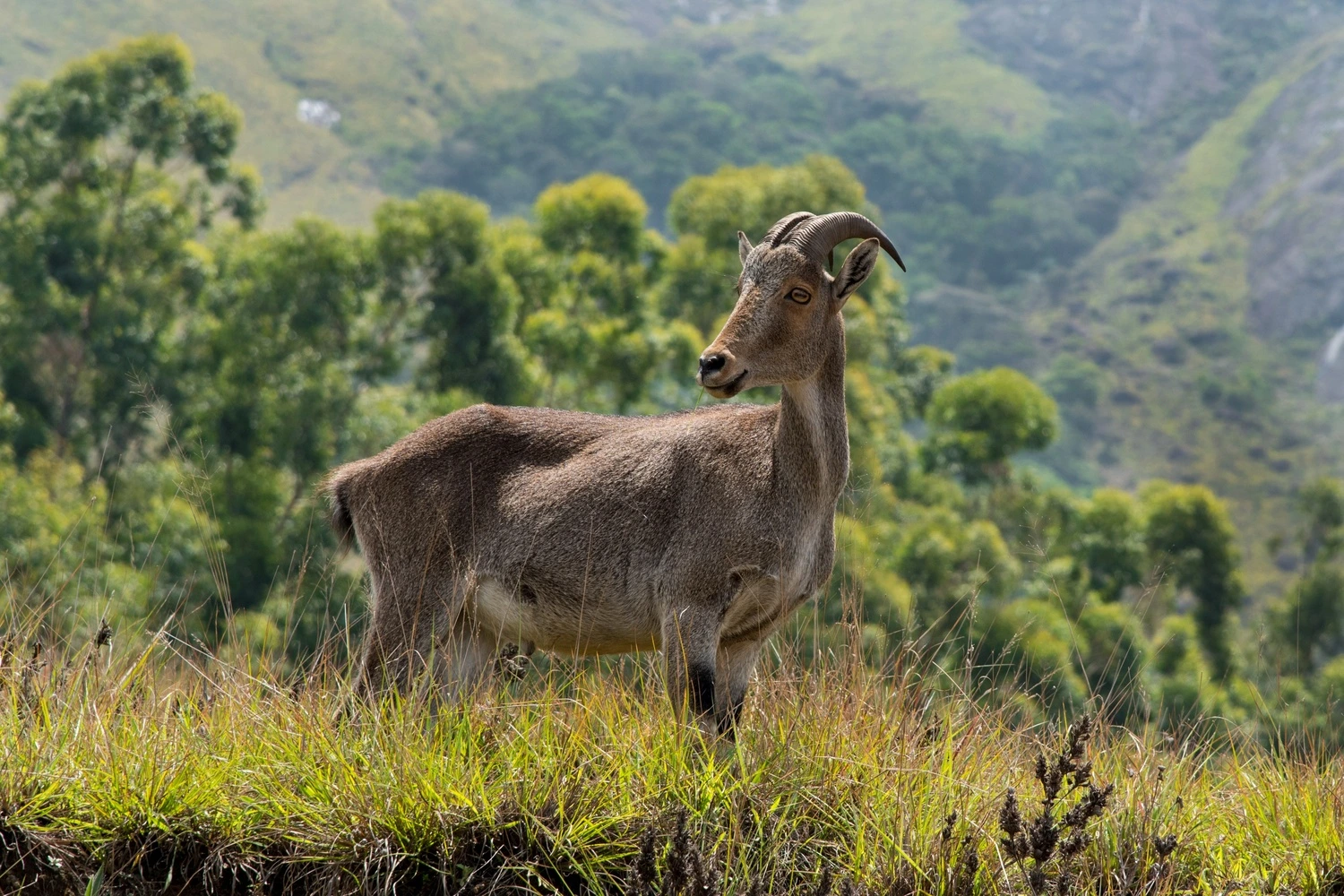
Eravikulam National Park, located near Munnar in Idukki district, is Kerala’s most famous national park. Established in 1978, the park covers about 97 square kilometers and protects the endangered Nilgiri Tahr, a mountain goat species found only in the Nilgiri Hills and Western Ghats.
The park also contains Anamudi Peak (2,695 meters), the highest mountain in South India. Its unique ecosystem includes montane grasslands and shola forests, which support several rare plant and animal species.
A major attraction here is the Neelakurinji flower (Strobilanthes kunthiana), which blooms once every 12 years, turning the hills purple and attracting visitors from around the world.
Wildlife in Eravikulam
- Nilgiri Tahr
- Nilgiri langur
- Indian leopard
- Small-clawed otter
- Several endemic bird species
Highlights
- ✅ The oldest national park in Kerala (not the largest)
- ✅ Home of the endangered Nilgiri Tahr
- ✅ Location of Anamudi Peak
- ✅ Famous Neelakurinji flower blooms
2. Silent Valley National Park (Palakkad District)
Silent Valley National Park, located in Palakkad district, protects one of the last undisturbed tropical evergreen rainforests in India. The park covers approximately 237 square kilometers within the Nilgiri Biosphere Reserve.
The park gained national recognition during the Silent Valley conservation movement in the 1970s, when environmentalists successfully opposed a hydroelectric project that threatened the forest ecosystem.
The Kunthipuzha River, a tributary of the Bharathapuzha River, flows through the park, supporting its lush biodiversity.
Wildlife in Silent Valley
- Lion-tailed macaque (IUCN endangered)
- Nilgiri langur
- Malabar giant squirrel
- Indian leopard
- Over 200 bird species
Because of its untouched rainforest ecosystem, Silent Valley is considered one of the most important conservation areas in the Western Ghats biodiversity hotspot.
Highlights
- ✅ One of the most pristine rainforests in India
- ✅ Habitat of the rare lion-tailed macaque
- ✅ Part of the Nilgiri Biosphere Reserve
3. Anamudi Shola National Park (Idukki District)
Anamudi Shola National Park, established in 2003, lies in the Western Ghats of Idukki district. Covering around 7.5 square kilometers, it protects a unique shola‑grassland ecosystem, which is a characteristic feature of high-altitude regions in southern India.
The park is an important habitat for several rare and endangered species.
Wildlife in Anamudi Shola
- Nilgiri marten
- Indian wild dog (Dhole)
- Nilgiri langur
- Indian gaur
- Malabar giant squirrel
These ecosystems play an essential role in maintaining the biodiversity of the Western Ghats mountain range.
Highlights
- ✅ Rare high-altitude shola ecosystem
- ✅ Important habitat for Nilgiri marten
- ✅ Critical biodiversity zone in the Western Ghats
4. Pampadum Shola National Park (Idukki District)
Pampadum Shola National Park is the smallest national park in Kerala, covering about 1.3 square kilometers. Located near Munnar, this park protects rare montane shola forests that are rich in biodiversity.
Despite its small size, Pampadum Shola plays an important role as a wildlife corridor, connecting different forest ecosystems in the Western Ghats.
Wildlife in Pampadum Shola
- Indian gaur
- Sambar deer
- Leopard
- Flying squirrel
- Various endemic birds and amphibians
Its dense forests and cool mountain climate make it a unique ecological zone in Kerala.
Highlights
- ✅ Smallest national park in Kerala
- ✅ Rare shola forest ecosystem
- ✅ Important wildlife corridor
5. Mathikettan Shola National Park (Idukki District)
Mathikettan Shola National Park, also located in Idukki district, was declared a national park in 2003 and covers around 12.8 square kilometers.
The name “Mathikettan” roughly translates to “mind‑confusing forest”, referring to the dense vegetation that makes navigation difficult inside the forest.
The park’s evergreen forests support diverse wildlife populations.
Wildlife in Mathikettan Shola
- Indian elephant
- Gaur (Indian bison)
- Leopard
- Nilgiri marten
- Malabar giant squirrel
This national park helps maintain ecological balance within the Nilgiri Biosphere landscape.
Highlights
- ✅ Dense evergreen forest ecosystem
- ✅ Important wildlife habitat
- ✅ Rich biodiversity in the Western Ghats
6. Periyar National Park (Periyar Tiger Reserve)
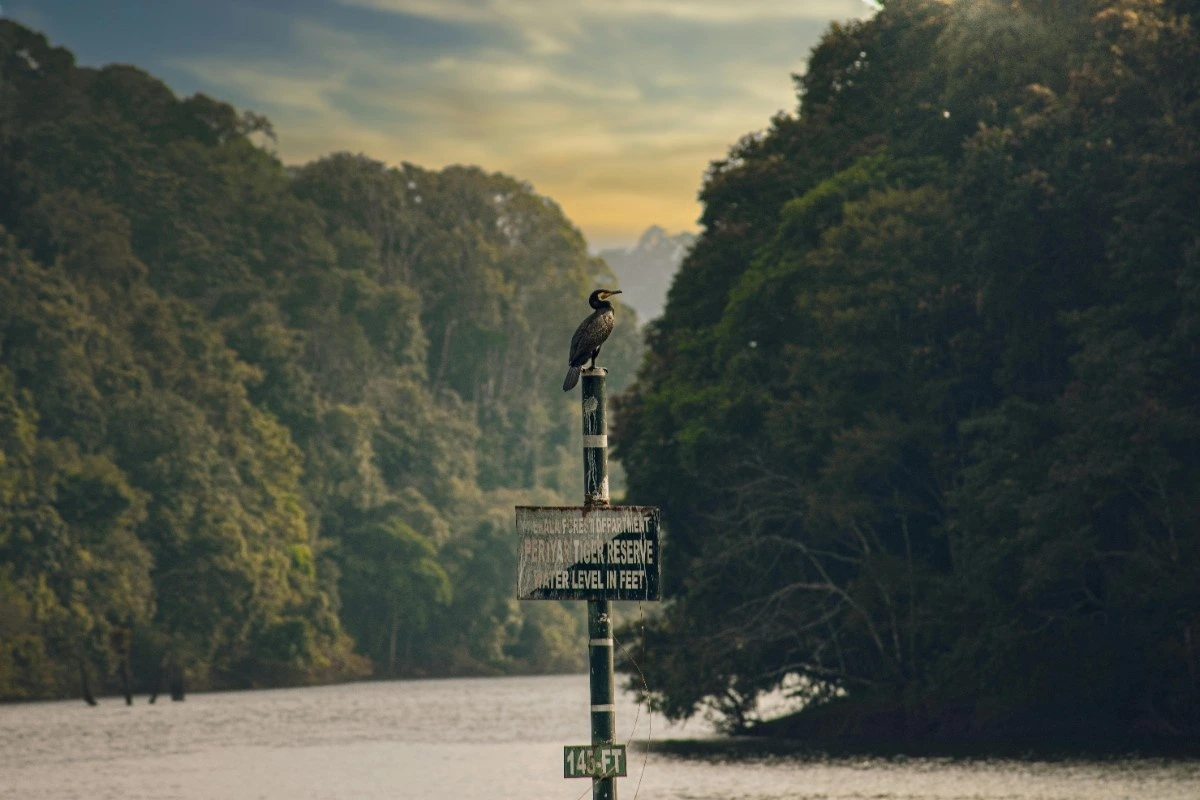
Periyar National Park, located in Thekkady in Idukki district, is one of the most popular wildlife destinations in South India. It is also known as the Periyar Tiger Reserve.
The national park itself covers 350 square kilometers (while the entire Periyar Tiger Reserve, including buffer zones, covers around 925 square kilometers). This makes it the largest national park in Kerala by area. The scenic Periyar Lake, formed by a dam built across the Periyar River, creates a unique environment where visitors can observe wildlife from boat safaris.
Wildlife in Periyar
- Bengal tiger
- Asian elephant
- Indian gaur
- Sambar deer
- Nilgiri langur
Periyar is famous for its elephant sightings along the lake shores, making it one of the best wildlife tourism destinations in Kerala.
Highlights
- ✅ Famous Periyar Lake boat safari
- ✅ A major tiger reserve in India
- ✅ Largest national park in Kerala (350 km²)
- ✅ Rich wildlife and birdlife
Why National Parks in Kerala Are Important
The national parks in Kerala play a vital role in protecting the fragile ecosystems of the Western Ghats biodiversity hotspot.
These protected areas help:
- Conserve endangered species such as Nilgiri Tahr and lion-tailed macaque
- Preserve rare tropical evergreen forests and shola ecosystems
- Maintain ecological balance and watershed protection
- Promote eco-tourism and environmental awareness
They are also crucial for climate regulation, water conservation, and biodiversity protection.
Best Time to Visit National Parks in Kerala
The best time to visit the national parks in Kerala is between October and March, when the weather is pleasant, and wildlife sightings are more frequent.
During the monsoon season (June–September), heavy rainfall may limit access to some parks, but the forests appear lush and vibrant.
Final Thoughts
The national parks in Kerala reveal a side of the state that many travelers overlook. From spotting Nilgiri Tahr in Eravikulam National Park (Kerala’s oldest) to exploring the untouched rainforest of Silent Valley and enjoying wildlife safaris in Periyar Tiger Reserve (home to the state’s largest national park), each park offers a unique nature experience.
For wildlife lovers, photographers, and eco-tourists, these protected forests provide an unforgettable opportunity to explore the extraordinary biodiversity of God’s Own Country while supporting conservation efforts in the Western Ghats.