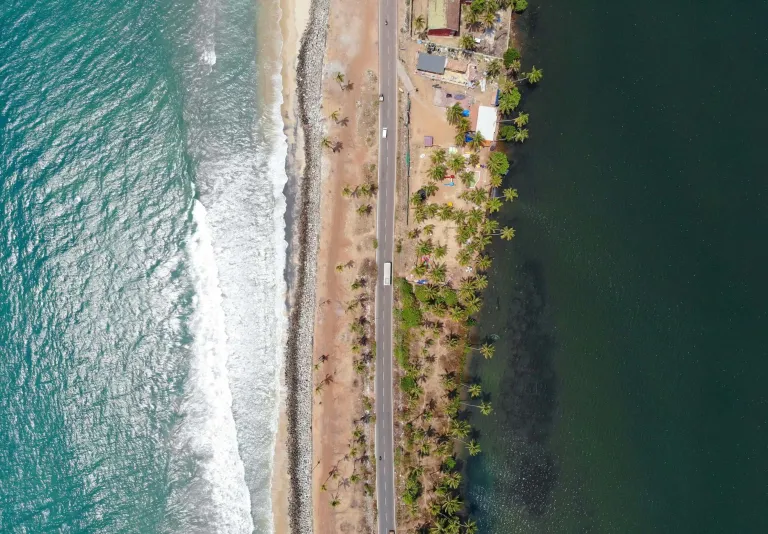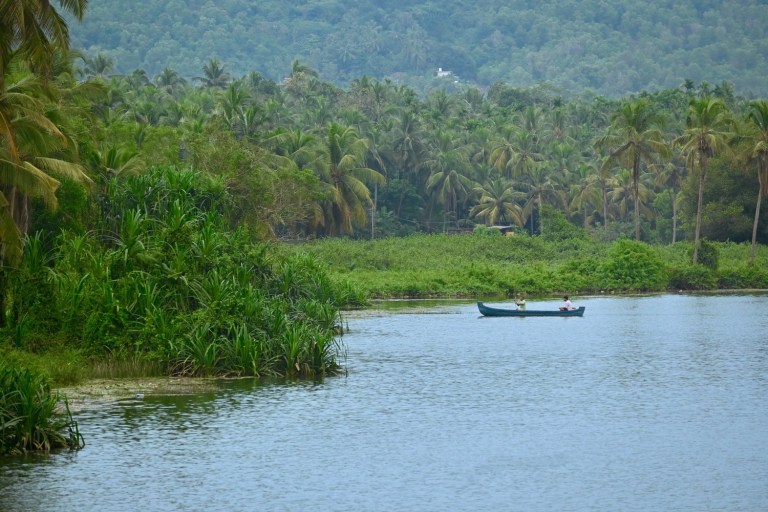
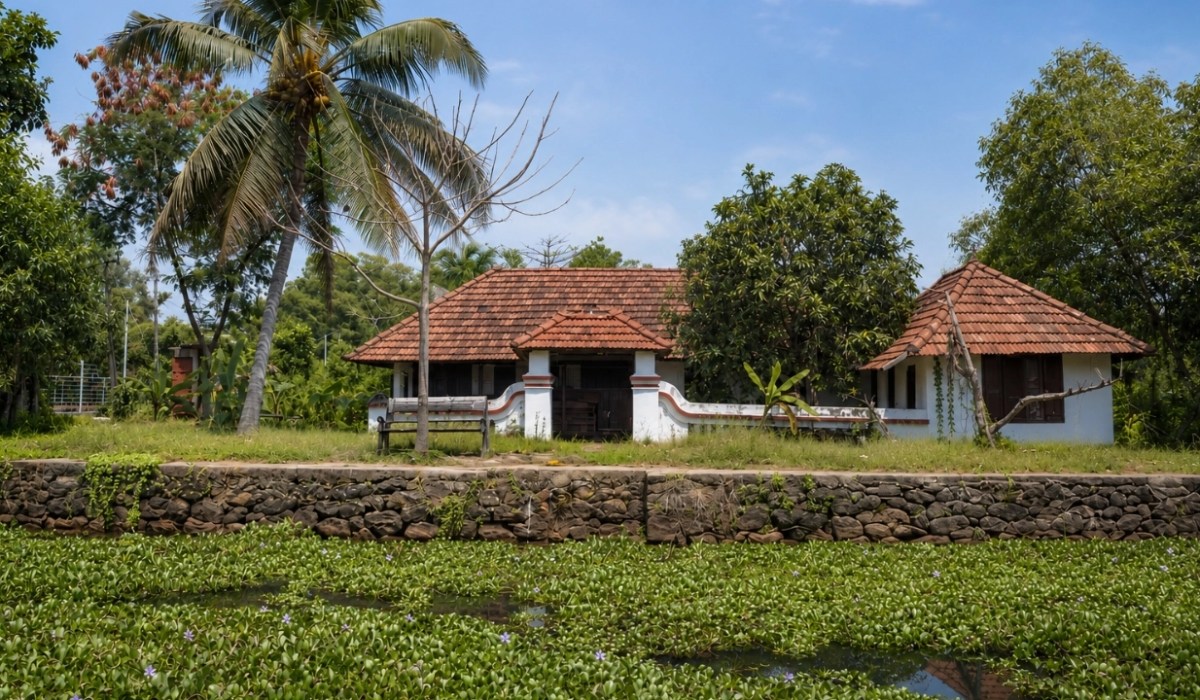
Kerala’s backwaters are among the state’s most iconic attractions, but beyond the scenic houseboat cruises lies a network of internationally recognised wetlands that play a vital role in conserving biodiversity and supporting local communities. These protected wetlands, known as Ramsar Sites, are home to migratory birds, mangrove forests, freshwater lakes, traditional fishing villages, and unique ecosystems that make Kerala one of India’s richest natural destinations.
If you’re planning a nature-focused trip, here’s a guide to Kerala’s three official Ramsar Sites and why they deserve a place on your itinerary.
What Is a Ramsar Site?
A Ramsar Site is a wetland recognised under the Ramsar Convention, an international treaty adopted in Ramsar, Iran, in 1971. These wetlands are protected because of their ecological importance and their role in supporting wildlife, improving water quality, reducing floods, and sustaining local livelihoods.
Kerala is home to three officially designated Ramsar Sites, each offering a unique travel experience.
Kerala's Ramsar Sites at a Glance
Ramsar Site | District(s) | Best Known For |
Vembanad-Kol Wetland | Alappuzha, Kottayam, Ernakulam & Thrissur | Houseboats, Kumarakom, Kuttanad & Kole Birding Area |
Ashtamudi Wetland | Kollam | Munroe Island, Backwaters & Mangroves |
Sasthamkotta Lake | Kollam | Kerala’s Largest Freshwater Lake |
1. Vembanad-Kol Wetland

The Vembanad-Kol Wetland is Kerala’s largest Ramsar Site and the heart of the state’s famous backwaters. Spread across Alappuzha, Kottayam, Ernakulam, and Thrissur, it includes Vembanad Lake, the picturesque villages of Kumarakom and Kuttanad, and the Kole Wetlands, one of Kerala’s best birdwatching regions.
Visitors can enjoy:
- Houseboat cruises on Vembanad Lake
- Canoe rides through village canals
- Birdwatching at Kumarakom Bird Sanctuary
- Exploring Kuttanad’s below-sea-level paddy fields
- Nature photography and sunset cruises
Kole Wetlands – A Birdwatcher’s Paradise
Although Kole Wetlands are not a separate Ramsar Site, they form an important part of the Vembanad-Kol Wetland. Located mainly in Thrissur and Malappuram districts, they attract thousands of migratory birds every winter, including Painted Storks, Asian Openbills, Spot-billed Pelicans, and Purple Herons.
If you’re visiting between November and February, Kole is one of Kerala’s finest destinations for birdwatching and wildlife photography.
2. Ashtamudi Wetland
Located in Kollam district, Ashtamudi Wetland is one of Kerala’s three officially designated Ramsar Sites. Famous for its peaceful backwaters, mangrove forests, and traditional fishing villages, the wetland gets its name from its eight interconnected waterways that open into the Arabian Sea.
One of its biggest attractions is Munroe Island, where visitors can explore narrow canals by canoe, experience village life, and witness Kerala’s traditional coir-making and fishing practices.
Ashtamudi is also known for its clam fisheries and Karimeen (Pearl Spot), Kerala’s state fish.
Don’t miss: If you’re planning a visit, read our Munroe Island Travel Guide to discover the best canoe tours, attractions, and travel tips.

3. Sasthamkotta Lake
Sasthamkotta Lake is one of Kerala’s three officially designated Ramsar Sites and the state’s largest freshwater lake. Located in Kollam district, it is an important source of drinking water and a peaceful destination known for its rich biodiversity and scenic surroundings.
Surrounded by lush greenery, the lake offers a peaceful setting for nature walks, birdwatching, and photography. The nearby Sree Dharma Sastha Temple also makes it a popular destination for pilgrims and visitors exploring the region.
Best Time to Visit
The ideal time to explore Kerala’s Ramsar Sites is October to March, when the weather is pleasant and migratory birds arrive in large numbers. This is also the best season for houseboat cruises, canoe rides, and wildlife photography.
If you love lush landscapes, the monsoon season (June to September) transforms Kerala’s wetlands into vibrant green ecosystems, although occasional heavy rains may affect outdoor activities.
Travel Tips
- Start your sightseeing early for the best birdwatching opportunities.
- Carry binoculars and a camera if you enjoy wildlife photography.
- Wear comfortable cotton clothing and footwear.
- Choose eco-friendly boat operators and avoid littering.
- Respect local communities and protected wetland habitats.
Explore Kerala's Ramsar Sites with Kerala Taxis
Kerala’s Ramsar Sites are spread across different districts, making a road trip the most convenient way to explore them. Kerala Taxis offers reliable taxi services and customised tour packages, allowing you to travel comfortably between destinations such as Kumarakom, Alappuzha, Kollam, Munroe Island, Sasthamkotta, and Thrissur.
With experienced local drivers, flexible itineraries, and comfortable vehicles, you can enjoy Kerala’s wetlands at your own pace while discovering hidden villages, scenic viewpoints, and authentic local experiences along the way.
Conclusion
Kerala’s Ramsar Sites offer far more than scenic landscapes—they protect biodiversity, support local communities, and showcase the natural beauty that makes God’s Own Country unique. From the tranquil backwaters of Vembanad-Kol and the mangrove-lined waterways of Ashtamudi to the serene freshwater ecosystem of Sasthamkotta Lake, each destination offers a unique experience for nature lovers, birdwatchers, and photographers.
Whether you’re planning a backwater holiday or exploring Kerala’s lesser-known natural attractions, these internationally recognised wetlands are well worth adding to your itinerary. Travel responsibly, respect local communities, and help preserve these remarkable ecosystems for future generations.