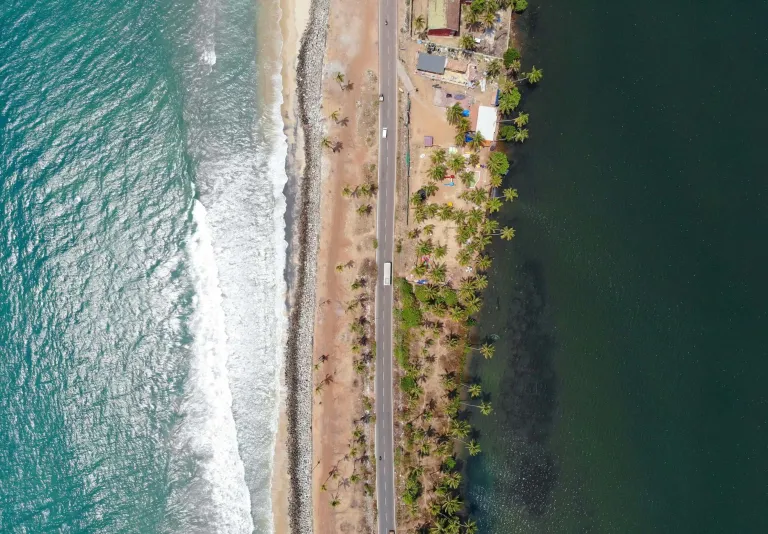

Just a short drive from Kochi lies a destination that reveals a completely different side of Kerala. Surrounded by tranquil backwaters, mangrove forests, fishing farms, and traditional village communities, Kumbalangi offers visitors an opportunity to experience the authentic rhythm of rural life.
Recognised as Kerala’s first model tourism village, Kumbalangi has become a successful example of sustainable and community-based tourism in India. Unlike commercial tourist destinations, the village encourages travellers to slow down, connect with local traditions, explore nature, and experience everyday life along Kerala’s backwaters.
In recent years, Kumbalangi gained even greater popularity through the acclaimed Malayalam film Kumbalangi Nights (2019), which showcased the village’s scenic landscapes, fishing culture, and unique atmosphere to audiences across India. Today, it remains one of the best places to experience Kerala’s backwater heritage, traditional livelihoods, and village culture in an authentic setting.
Where is Kumbalangi?
Kumbalangi is an island village located in Ernakulam district, approximately 12 to 15 kilometres from central Kochi. Surrounded by waterways connected to Vembanad Lake, the village consists of interconnected islands, canals, wetlands, fish farms, and mangrove ecosystems.
Its proximity to Kochi makes it one of the most accessible destinations for travellers seeking an authentic backwater experience without having to travel far from the city.
Kerala's First Model Tourism Village
Kumbalangi’s transformation began with the Kumbalangi Integrated Tourism Village Project, launched in 2003. The initiative was created to preserve local culture, support traditional livelihoods, and promote sustainable tourism while improving the quality of life for local residents.
Rather than focusing on large-scale commercial development, the project encouraged community participation and responsible tourism practices. Local fishermen, farmers, artisans, homestay operators, and small businesses became active partners in the tourism experience.
Over two decades later, Kumbalangi remains one of Kerala’s most successful community-based tourism destinations and continues to attract visitors interested in experiencing authentic village life, traditional occupations, and the unique backwater culture of Kerala.
The Backwaters That Define Kumbalangi
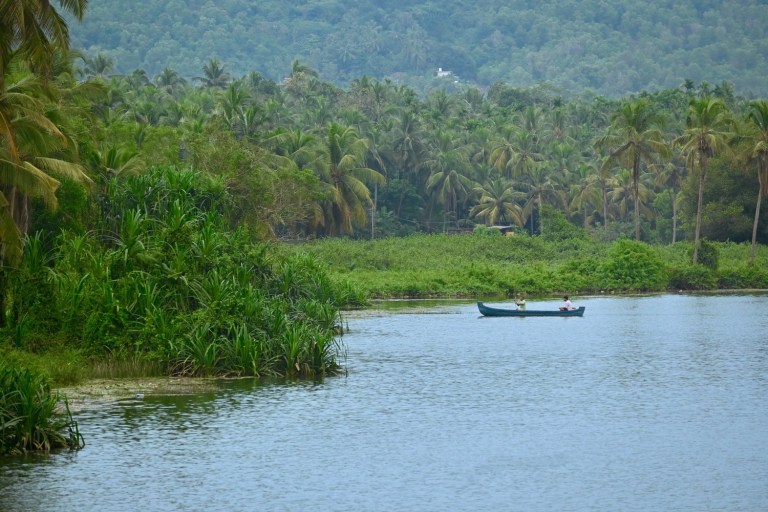
Life in Kumbalangi revolves around water. The village is surrounded by a network of canals, lagoons, fish farms, and backwaters that form part of the larger Vembanad ecosystem.
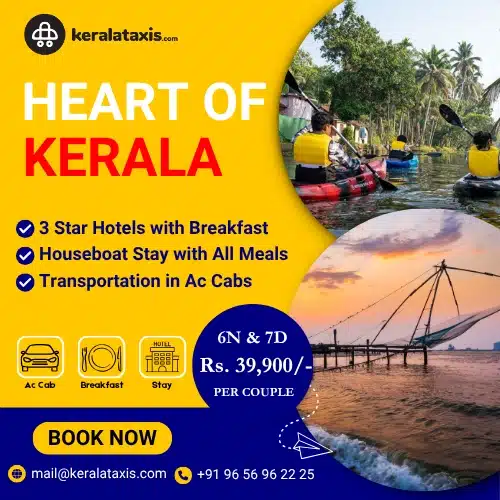
Traditional country boats and canoes continue to play an important role in daily life. Visitors can explore the waterways through canoe rides that pass coconut groves, village homes, fishing farms, and mangrove-lined canals.
Early mornings are particularly rewarding, as local fishermen prepare their nets while the calm waters reflect the greenery and village landscapes around them.
Chinese Fishing Nets: A Living Heritage
Among Kumbalangi’s most iconic attractions are the traditional Chinese fishing nets, locally known as Cheena Vala. These large cantilevered fishing structures have been used along Kerala’s coast for several centuries and remain an important part of the village’s identity.
Watching fishermen lower and raise the nets against the backdrop of the backwaters offers visitors a fascinating glimpse into one of Kerala’s oldest fishing traditions.
The Chinese fishing nets are especially photogenic during sunrise and sunset, making them a favourite subject for photographers.
Mangrove Forests and Coastal Ecosystems
Kumbalangi is home to extensive mangrove forests that play a vital role in protecting the region’s fragile coastal environment. These mangroves act as breeding grounds for fish, prawns, crabs, and numerous aquatic species while helping prevent shoreline erosion.
The mangrove ecosystem supports a rich diversity of wildlife and contributes significantly to the ecological health of the backwaters. Exploring these waterways allows visitors to appreciate both the beauty and environmental importance of Kerala’s coastal habitats.
Traditional Fishing and Aquaculture
Fishing remains one of the most important occupations in Kumbalangi. The village is known for traditional fishing methods that have been practised for generations and continue to support local communities.
Key activities include:
- Crab farming
- Prawn cultivation
- Fish farming
- Clam collection
- Traditional net fishing
Many tourism experiences allow visitors to interact with local fishermen and learn about the sustainable practices that shape life in the village.
Experiencing Village Life in Kumbalangi
The greatest attraction of Kumbalangi is the village itself.
Walking through the village reveals coconut groves, narrow roads, fishing farms, traditional homes, and welcoming communities. Unlike many tourist destinations, Kumbalangi offers genuine insight into everyday life rather than staged cultural performances.
Visitors can often participate in activities such as:
- Coir making
- Coconut leaf weaving
- Toddy tapping demonstrations
- Traditional cooking sessions
- Canoe rides
- Guided village walks
These experiences provide a deeper understanding of Kerala’s cultural heritage and rural traditions.
Seafood and Local Cuisine
Kumbalangi is a paradise for seafood lovers. Fresh fish, prawns, crabs, mussels, and clams are central to the local cuisine and are often sourced directly from nearby waters.
Many homestays and local eateries prepare traditional Kerala dishes using recipes that have been passed down through generations.
Popular dishes include:
- Kerala fish curry
- Karimeen Pollichathu
- Prawn roast
- Crab curry
- Tapioca with fish curry
For many visitors, enjoying freshly prepared seafood becomes one of the highlights of their Kumbalangi experience.
The Fascinating Kavaru Phenomenon
One of Kumbalangi’s most intriguing natural attractions is a phenomenon locally known as Kavaru. Under specific environmental conditions, microscopic organisms in the water can create a bioluminescent glow that causes parts of the backwaters to appear illuminated at night.
The phenomenon is most commonly associated with the hot summer months between March and May, when higher salinity levels and warmer temperatures create favourable conditions. Kavaru is generally best observed on dark, moonless nights, often after midnight.
While sightings cannot be guaranteed, the possibility of witnessing this rare natural display adds another layer of fascination to Kumbalangi’s unique ecosystem. The phenomenon also gained wider attention following the popularity of Kumbalangi Nights.
Birdwatching and Nature Experiences
The combination of backwaters, wetlands, fish farms, and mangrove forests creates excellent habitats for birds and other wildlife.
Birdwatchers may encounter:
- Kingfishers
- Herons
- Egrets
- Cormorants
- Brahminy Kites
- Various migratory water birds
Bird activity varies depending on the season and water levels, but early mornings and evenings generally offer the best opportunities for observation.
Nearby Attractions
Visitors exploring Kumbalangi often combine their trip with nearby destinations such as:
- Fort Kochi
- Mattancherry Palace
- Marine Drive Kochi
- Cherai Beach
- Hill Palace Museum
- Kerala Folklore Museum
Together, these attractions provide a well-rounded introduction to the history, culture, and natural beauty of the Kochi region.
Travel Tips for Visiting Kumbalangi
- Visit during the early morning or evening for the most pleasant weather and best photography opportunities.
- Wear light and comfortable clothing suitable for outdoor activities.
- Carry a camera to capture the scenic backwaters and village life.
- Respect local customs and community spaces.
- Choose local guides and homestays whenever possible to support community-based tourism.
- Confirm activity schedules in advance if planning canoe rides or fishing demonstrations.
- Allow at least half a day to fully explore the village and its attractions.
Final Thoughts
Kumbalangi is more than a destination—it is a living example of Kerala’s culture, traditions, biodiversity, and sustainable way of life. From Chinese fishing nets and mangrove forests to seafood cuisine and community-based tourism, every aspect of the village reflects the deep connection between people and nature.
For travellers seeking authentic backwater experiences, meaningful cultural interactions, and a glimpse into rural Kerala, Kumbalangi remains one of the most rewarding destinations near Kochi.