
Kerala is home to many beautiful islands, but some remain less familiar to travellers. Edayilakkad, located in the backwater region of Kasaragod, is one such destination. Surrounded by waterways, coconut palms and green landscapes, this peaceful island offers a glimpse into a quieter side of Kerala.
What makes Edayilakkad special is not just its natural beauty. The island is also known for its sacred grove, freely roaming monkeys, rare mangrove vegetation and traditional community life. Its connection with nature and local customs gives visitors a different experience from the usual tourist destinations.
For travellers interested in discovering the hidden attractions of North Kerala, Edayilakkad is a place worth exploring.
An Island Shaped by Water and Nature
Located in Valiyaparamba Panchayat of Kasaragod district, Edayilakkad is also known by names such as Edayilekkadu and Idayilakkadu. The island lies within the scenic landscape of the Kavvayi backwaters.
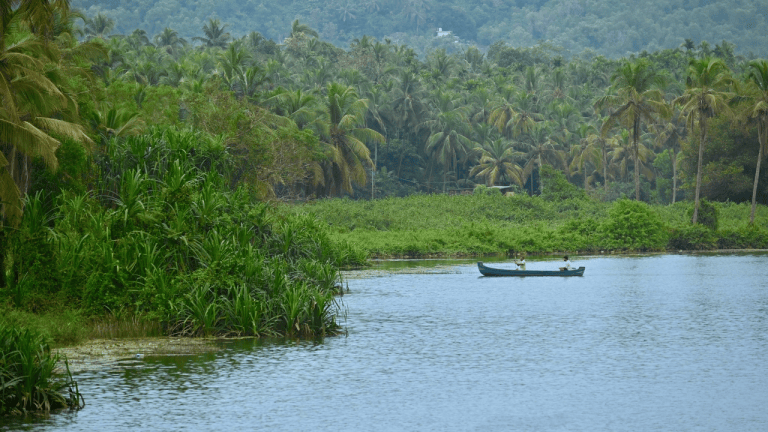
Narrow waterways, coconut plantations, tropical vegetation and small settlements shape the island’s surroundings. Fishing and other traditional activities remain closely connected to everyday life in the region.
Unlike destinations known for large monuments or commercial attractions, Edayilakkad offers a more peaceful experience. Its appeal lies in the natural surroundings, local traditions and the relationship between the island’s people and environment.
Edayilakkad Kavu: A Sacred Woodland with a Living Story
One of the most distinctive places on the island is Edayilakkad Kavu, a traditional sacred grove.
In Kerala, a kavu is a protected woodland traditionally associated with local spiritual beliefs and customs. These groves preserve natural vegetation and provide habitats for different forms of wildlife.
Edayilakkad Kavu is particularly known for the monkeys that move freely among its trees. Their presence has become an important part of the identity of the grove and the island.
Beyond its cultural significance, the woodland highlights the traditional relationship between nature conservation and local beliefs. It is a reminder that some of Kerala’s important natural spaces have been protected through community traditions over generations.
The Famous Monkey Feast: A Tradition of Compassion

One of the most memorable stories associated with Edayilakkad is its annual Onam feast for the monkeys of the sacred grove.
The tradition is connected to Chalil Manikkam Amma, a local woman who devoted herself to caring for the monkeys. Over time, her dedication became an important part of the island’s local story.
Residents and members of the children’s wing of the Navodaya reading room and library have continued the tradition through an annual celebration.
In August 2026, the event marked its nineteenth year, with nineteen varieties of food prepared for the monkeys.
This tradition reflects the strong connection between the local community and the wildlife around them. It also gives Edayilakkad a distinctive cultural identity that visitors are unlikely to find in conventional tourist destinations.
Visitors should observe the animals respectfully and avoid feeding or disturbing them independently.
A Rare Mangrove Discovery on Edayilakkad Island
Edayilakkad is also important from an ecological perspective. Its natural environment has attracted attention because of the presence of rare mangrove vegetation.
In December 2025, the Wildlife Trust of India reported the discovery of a population of the white-flowered eastern mangrove, scientifically known as Lumnitzera racemosa, on Edayilakkad Island.
The survey identified around forty mature individuals. According to the report, this was the largest population of the species recorded along the Malabar coast.
The island is also associated with the white-bellied sea eagle. A scientific study on the sacred groves of northern Kerala has reported breeding of this bird at Edayilakkad Kavu.
These findings highlight the ecological value of the island and the importance of protecting its natural habitats. For visitors interested in biodiversity, Edayilakkad offers more than scenic backwater views.
Experience the Traditional Beauty of Island Life
The everyday life of Edayilakkad is closely connected to its surrounding waterways and countryside. Fishing, small-scale agriculture and traditional village activities continue to shape the local landscape.
The wider Valiyaparamba region is also associated with traditional skills and rural activities, including handloom and khadi-related work, coir-making and local fishing practices.
These activities offer an insight into the culture and livelihoods of northern Kerala. They also show how local communities have maintained their connection with the natural environment.
For travellers who enjoy cultural experiences, exploring the island and its surrounding villages can be a meaningful part of the journey.
Discover the Valiyaparamba Backwaters
A visit to Edayilakkad can be combined with an exploration of the wider Valiyaparamba backwater region.
Fed by four rivers, the backwaters form a network of waterways, islands, coconut plantations and fishing settlements. The landscape is particularly appealing to visitors who enjoy peaceful boat journeys and natural scenery.
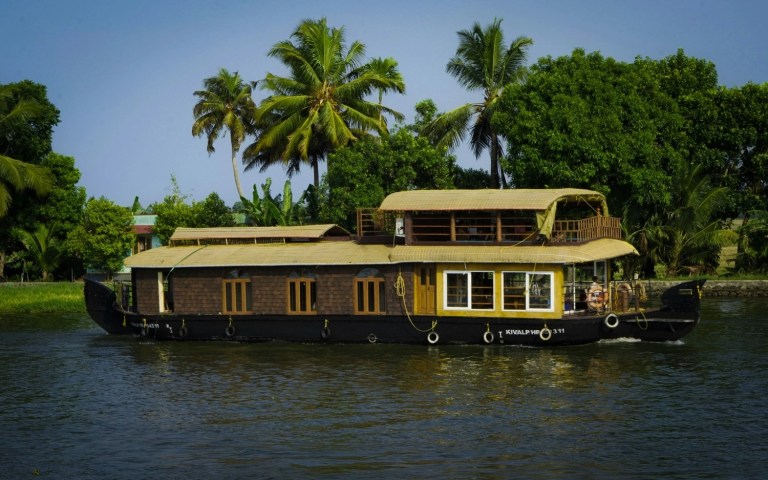
Traditional country boats and houseboat cruises provide opportunities to explore the waterways, observe local fishing activities and experience village life from the water.
Edayilakkad is also identified by Kerala Tourism as an island along the Valiyaparamba backwater cruise route. Exploring the island along with a boat journey through the surrounding backwaters can make for a memorable North Kerala experience.
Nearby Places to Explore

Travellers visiting Edayilakkad can also explore other attractions in the wider Kasaragod region. These are separate destinations and can be included in a broader sightseeing plan.
Valiyaparamba Backwaters
Valiyaparamba is known for its network of backwaters, islands and peaceful waterside villages. Boating and houseboat journeys offer a way to experience the natural scenery and traditional life of the region.
Bekal Fort
Bekal Fort is one of Kasaragod’s best-known historical attractions. Located beside the Arabian Sea, this historic coastal fort is recognised for its impressive structure and wide sea views.
It is a good option for visitors interested in Kerala’s history and coastal landscapes.
Padanna and the Coastal Region
The wider Padanna and Kasaragod coastal region offers a chance to explore village surroundings, waterways and the traditional lifestyle of northern Kerala.
These locations provide additional experiences for travellers planning a longer visit to the region.
Edayilakkad: Where Nature and Heritage Remain Alive
Edayilakkad is more than a scenic island in the backwaters of Kasaragod. Its sacred grove, monkey-feeding tradition, rare mangrove vegetation and traditional village surroundings make it a destination with a distinctive identity.
What makes the island interesting is the way nature, culture and community life come together. From the woodland of Edayilakkad Kavu to the waterways of Valiyaparamba, each part of the region offers a different perspective on northern Kerala.
For travellers looking beyond the familiar tourist attractions, Edayilakkad offers an opportunity to discover a quieter side of Kerala, where local traditions and natural surroundings remain closely connected.