
Kerala’s relationship with the sea goes back centuries. Long before its beaches and backwaters became popular with travellers, ships were arriving along the Malabar Coast carrying spices, merchants, ideas and cultural influences from across the Indian Ocean.
Some of Kerala’s ports remain important maritime gateways today, while others survive through historic towns, archaeological sites, traditional shipbuilding and coastal communities. From the ancient trading world of Muziris to the modern infrastructure of Vizhinjam, these ports reveal how Kerala became connected to a much wider world.
For travellers, exploring the ports in Kerala is not simply about seeing ships or harbours. It is an opportunity to discover the history, culture and coastal landscapes that developed around them.
Historic Ports in Kerala

1. Muziris – The Ancient Port of the Malabar Coast
Few names are more closely associated with Kerala’s ancient maritime history than Muziris.
Muziris is generally associated with the Kodungallur–North Paravur region and was an important port in the ancient trading world. Historical evidence connects the wider Malabar Coast with long-distance trade involving merchants and trading networks from the Mediterranean, Middle East and Asia.
The importance of Muziris went beyond the movement of spices and other goods. The region became a meeting point for different communities and cultural traditions over centuries.
The ancient port itself is no longer functioning, but its heritage can be explored through the Muziris Heritage Project and the historic sites spread across the region.
Travellers can explore places such as Paravur Synagogue, Chendamangalam Synagogue, Paliam Kovilakam and Kottayil Kovilakom, along with museums and other heritage attractions.
Rather than looking for a single surviving port structure, visitors experience Muziris through the collection of places that preserve the memory of this historic trading landscape.
Best for: Ancient history, heritage sites, museums and cultural exploration.
2. Kozhikode – The City of Spices
Further north, Kozhikode became one of the most important maritime centres of medieval Malabar.
The city developed around the spice trade and attracted merchants from across the Indian Ocean. Arab and Chinese trading connections contributed to Kozhikode’s importance, while the Zamorin rulers played a major role in the city’s commercial and political history.
Kozhikode’s maritime story also became closely connected with European expansion into the Indian Ocean. In 1498, Vasco da Gama landed at Kappad, near Kozhikode, marking an important moment in the history of European contact with the Malabar Coast.
Today, visitors can explore Kozhikode through its markets, food culture, beaches and historic surroundings.
The city’s maritime heritage also connects naturally with nearby Beypore, another historic port with its own distinctive shipbuilding tradition.
Best for: Spice-trade history, markets, food, beaches and cultural experiences.
3. Beypore – Kerala’s Traditional Shipbuilding Centre
Located near the mouth of the Chaliyar River, Beypore is one of Kerala’s most distinctive maritime destinations.
The port town developed through its connections with coastal and overseas trade, but today it is particularly famous for its traditional Uru shipbuilding.
Urus are large wooden sailing vessels traditionally built by skilled craftsmen known as Khalasis. The craft represents one of the most visible links between Kerala’s maritime past and its living cultural traditions.
A visit to Beypore can combine maritime heritage with coastal sightseeing. Travellers can explore the waterfront, visit Beypore Beach, see the Beypore Lighthouse, and learn about traditional shipbuilding.
This makes Beypore different from a modern commercial port. Its importance for travellers lies as much in the craftsmanship and cultural heritage surrounding the port as in the port itself.
Best for: Uru shipbuilding, maritime heritage, coastal walks and photography.

4. Kochi – Kerala’s Historic Port City
Among Kerala’s modern maritime centres, Kochi has perhaps the strongest connection between past and present.
Kochi emerged as an important harbour following major changes to the region’s waterways and coastline. The 1341 Periyar flood is widely associated with significant changes to the waterways around the old Muziris region and the emergence of Kochi as an important harbour.
Over the centuries, Kochi attracted traders and influences from different parts of the world, including Arab, Chinese and European connections.
The story remains visible in Fort Kochi and Mattancherry.
Visitors can explore historic streets, churches, palaces, markets and waterfront landmarks, including the famous Chinese fishing nets.
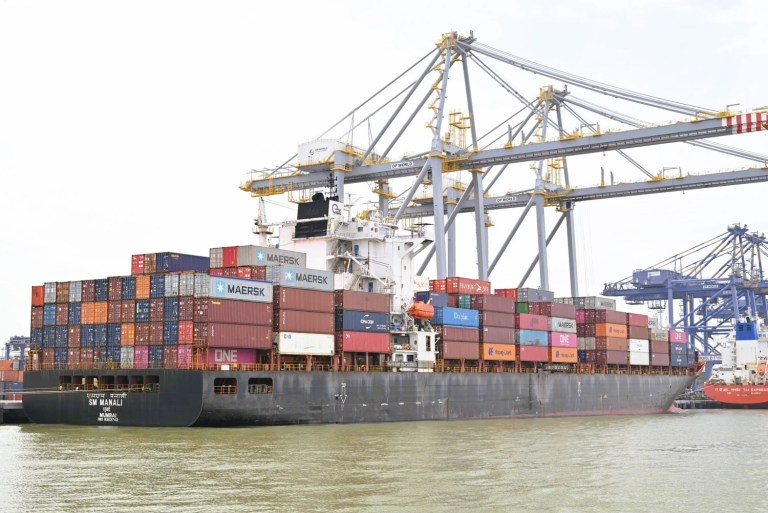
At the same time, modern Kochi continues to serve as an important maritime centre through Cochin Port and the Vallarpadam International Container Transhipment Terminal.
Few destinations in Kerala demonstrate the transition from historic maritime trade to modern shipping as clearly as Kochi.
Best for: Forts and heritage, markets, waterfronts and Kerala’s maritime history.
5. Kollam – A Historic Port on Kerala’s Southern Coast
Kollam has been an important coastal centre in southern Kerala for centuries.
Its position on the Arabian Sea helped connect the region with maritime trading networks extending across Asia. The city’s history is closely linked with the wider development of trade along Kerala’s southern coast.
Today, Kollam’s maritime character can be experienced alongside its backwaters and coastal landscapes.
Kollam Beach and the Ashtamudi Lake region provide a starting point for exploring the city’s relationship with the sea and waterways. Travellers can also combine a Kollam visit with Munroe Island, where traditional livelihoods and village waterways offer a different perspective on Kerala’s coastal culture.
Kollam therefore works particularly well for travellers who want to combine history with backwater experiences.
Best for: Maritime history, backwaters, coastal landscapes and village experiences.
6. Ponnani – A Historic Port of Malabar
At the meeting point of the Bharathapuzha River and the Arabian Sea, Ponnani developed as an important coastal centre in the history of Malabar.
Its location supported maritime trade across the Arabian Sea, while the town also developed into an important centre of Islamic scholarship and culture.
Ponnani is less commercially developed as a tourist destination than places such as Kochi and Kozhikode. That makes it particularly interesting for travellers looking for a quieter way to explore the historical side of the Malabar Coast.
The town’s coastal landscape, historic religious sites, riverfront areas and nearby beaches offer several ways to experience its heritage.
Best for: Malabar history, coastal culture, riverside landscapes and offbeat travel.
Modern Ports in Kerala

7. Vizhinjam – A New Chapter in Kerala’s Maritime Story
While Muziris, Kozhikode and Beypore reflect Kerala’s maritime past, Vizhinjam represents the state’s growing role in modern international shipping.
Located near Thiruvananthapuram, the Vizhinjam International Seaport began commercial operations in December 2024. Phase I has a designed annual handling capacity of 1 million TEUs (twenty-foot equivalent units). The port was officially dedicated to the nation by Prime Minister Narendra Modi on 2 May 2025.
Vizhinjam’s strategic location close to major international shipping routes, combined with its natural deep-water conditions, makes it well suited to container transhipment. The port has established direct connectivity with major global shipping routes serving regions including Europe, the Americas, Africa and the Far East.
The development of Vizhinjam is continuing beyond Phase I. Phases II, III and IV are being implemented together as a capacity-augmentation programme, with completion targeted for December 2028. According to the Ministry of Ports, Shipping and Waterways, the expansion is planned to raise the port’s annual capacity to 3 million TEUs, with potential throughput of up to 5.7 million TEUs through enhanced automation and operational efficiencies.
Vizhinjam adds a modern chapter to Kerala’s long maritime story. Earlier ports grew around spices, merchants and traditional sailing vessels; today, Vizhinjam connects the state to the global container-shipping network.
At the same time, the surrounding coastline retains its traditional character. The Vizhinjam fishing harbour, nearby beaches and coastal communities offer a contrasting view of the region’s long-standing relationship with the sea.
Best for: Modern maritime infrastructure, coastal landscapes and southern Kerala sightseeing.
Other Important Ports in Kerala
The maritime story of Kerala extends beyond the destinations discussed above.
Ports and coastal centres such as Azhikkal, Alappuzha, Neendakara, Munambam and Valiathura have played different roles in coastal trade, fishing and regional economic activity.
However, these should not automatically be treated as historic trading ports or tourist attractions.
This distinction is particularly important when comparing ports in Kerala with fishing harbours. A working fishing harbour primarily serves fishing and seafood-related activities, while a commercial or historic port can have very different functions.
For travellers, the value of these places depends on what they want to experience—maritime history, coastal livelihoods, traditional industries, modern shipping or simply Kerala’s relationship with the Arabian Sea.
What Can You Experience Around Kerala's Ports?
A port itself isn’t always a tourist attraction. In many cases, the most interesting experiences are found in the towns and heritage sites that grew around it.
Depending on the destination, you can:
- Explore ancient heritage sites around the Muziris region.
- Walk through the historic streets of Fort Kochi and Mattancherry.
- Discover traditional Uru shipbuilding in Beypore.
- Explore the spice-trade heritage of Kozhikode.
- Experience the coastal culture of Ponnani.
- Combine Kollam’s maritime history with the Ashtamudi backwaters.
- See the contrast between traditional fishing communities and modern port infrastructure around Vizhinjam.
This makes a port-focused journey more interesting when planned around the history and attractions surrounding each port, rather than attempting to enter active port facilities.
Travel Tips for Exploring Kerala's Ports
- Check access rules: Working commercial ports and harbour facilities may have restricted areas.
- Don’t assume a port is a tourist attraction: Some are primarily operational facilities.
- Check opening times: Museums, heritage buildings and shipyards may follow specific visiting hours.
- Respect photography rules: Avoid photographing restricted port infrastructure or security-sensitive areas.
- Consider a local guide: A knowledgeable guide can add useful historical context to heritage destinations.
- Travel early when possible: Morning and late afternoon can be more comfortable for exploring waterfront areas.
- Respect local communities: Many coastal areas remain active working environments rather than tourist attractions.
Kerala's Coast Is a Story of Its Own
The story of Kerala has always been closely connected with the sea.
Ancient traders came looking for spices. Ships carried goods across the Arabian Sea. Coastal towns grew around commerce, and different cultures left their influence on the communities that lived along the coast.
Today, that history survives in different forms.
You can discover the ancient trading world of Muziris, walk through the historic streets of Kochi, explore the spice-trade legacy of Kozhikode, watch traditional shipbuilding in Beypore, experience the coastal heritage of Ponnani and Kollam, and see Kerala’s modern maritime ambitions at Vizhinjam.
Exploring the ports in Kerala is therefore more than travelling from one harbour to another. It is a journey through the forces of trade, culture, craftsmanship and geography that helped shape Kerala—and continue to connect the state with the wider world today.