Kerala is renowned for its serene backwaters, misty hill stations, golden beaches, and vibrant cultural heritage. Beyond its scenic beauty, the state is home to the Western Ghats, Kerala’s only UNESCO World Heritage property and one of the world’s richest biodiversity hotspots. Kerala is also internationally recognised for preserving ancient performing arts such as Koodiyattam and Mudiyettu.
Exploring Kerala’s UNESCO-recognised heritage offers more than just sightseeing. It provides an opportunity to discover untouched rainforests, encounter rare wildlife, experience centuries-old traditions, and appreciate the conservation efforts that protect these treasures for future generations.
Whether you’re planning a wildlife adventure, a cultural holiday, or a scenic road trip through God’s Own Country, this guide introduces Kerala’s UNESCO-recognised natural and cultural heritage.
What is a UNESCO World Heritage Site?
A UNESCO World Heritage Site is a place recognised by the United Nations Educational, Scientific and Cultural Organization (UNESCO) for its Outstanding Universal Value. These sites are considered significant to humanity because of their exceptional cultural, historical, scientific, or natural importance and are protected for future generations.
UNESCO classifies World Heritage into three categories:
- Cultural Heritage – Historic monuments, archaeological sites, temples, forts, and cultural landscapes.
- Natural Heritage – Forests, mountains, wetlands, geological formations, and ecosystems of exceptional ecological value.
- Mixed Heritage – Sites recognised for both cultural and natural significance.
In addition to World Heritage Sites, UNESCO also maintains the Representative List of the Intangible Cultural Heritage of Humanity, which recognises living traditions such as performing arts, rituals, festivals, and traditional knowledge passed down through generations.
UNESCO World Heritage Property in Kerala
Western Ghats
Stretching along India’s western coast, the Western Ghats are recognised as one of the world’s eight biodiversity hotspots. In 2012, UNESCO inscribed the Western Ghats as a serial World Heritage property comprising 39 protected areas across Kerala, Karnataka, Tamil Nadu, and Maharashtra. Kerala contains the largest number of these UNESCO-inscribed components, making it one of the best places to experience this globally significant natural landscape.
The Western Ghats are among the oldest mountain ranges in the world and play a vital role in regulating the Indian monsoon, conserving freshwater resources, and supporting thousands of unique plant and animal species. Many of South India’s major rivers originate here, making the region essential for both biodiversity and the livelihoods of millions of people.
Why UNESCO Recognised the Western Ghats
The Western Ghats received UNESCO recognition because of their exceptional biodiversity and ongoing ecological processes. Scientists regard the region as one of the world’s richest natural ecosystems, with a remarkable number of endemic species found nowhere else on Earth.
Key reasons for its UNESCO inscription include:
- One of the world’s eight biodiversity hotspots.
- Home to thousands of endemic plants and animals.
- Ancient mountain range estimated to be over 150 million years old.
- Critical habitat for endangered wildlife, including the Nilgiri Tahr and Lion-tailed Macaque.
- Diverse ecosystems featuring evergreen rainforests, shola forests, montane grasslands, rivers, and waterfalls.
- Vital watershed supporting several major rivers across southern India.
For nature lovers, the Western Ghats offer an unforgettable experience, from mist-covered peaks and dense forests to rare wildlife and breathtaking landscapes.
Major Protected Areas Within Kerala's UNESCO-listed Western Ghats

Although the Western Ghats are recognised as a single UNESCO World Heritage property, several protected areas in Kerala form part of this globally significant natural landscape. These forests, mountains, and wildlife reserves showcase the region’s exceptional biodiversity and offer unforgettable experiences for nature lovers, wildlife enthusiasts, and photographers.
Eravikulam National Park
Located about 15 kilometres from Munnar, Eravikulam National Park is one of Kerala’s most popular protected areas and an important component of the UNESCO-listed Western Ghats. Its rolling grasslands, shola forests, and mist-covered hills create some of the most spectacular scenery in the state.
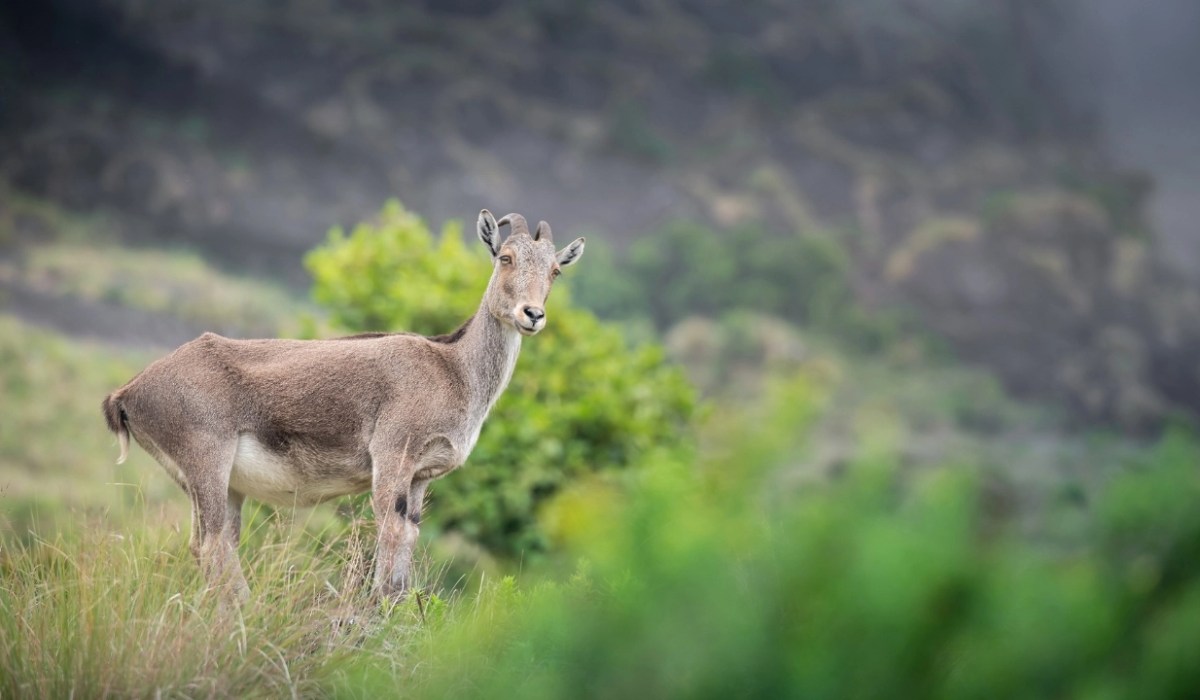
The park is best known for protecting the largest population of the endangered Nilgiri Tahr, an iconic mountain goat found only in the Western Ghats. It also attracts visitors from around the world during the rare Neelakurinji bloom, when millions of blue flowers blanket the hillsides once every twelve years.
Apart from its unique wildlife, Eravikulam offers breathtaking viewpoints and well-managed eco-tourism facilities, making it a must-visit destination for anyone exploring Munnar.
Nearest Airport: Cochin International Airport (approximately 130 km)
Best Time to Visit: October to March
Ideal Visit Duration: Half day
Silent Valley National Park
Hidden within the Nilgiri Hills of Palakkad district, Silent Valley National Park protects one of India’s last remaining tropical evergreen rainforests. As part of the UNESCO-listed Western Ghats, the park is recognised for its untouched wilderness and remarkable biodiversity.
The forest is home to several rare and endangered species, including the Lion-tailed Macaque, Nilgiri Langur, Malabar Giant Squirrel, hornbills, butterflies, orchids, and hundreds of medicinal plants. Unlike many wildlife parks, Silent Valley offers a peaceful rainforest experience through guided eco-tourism programmes, interpretation centres, and scenic viewpoints overlooking dense forests.
Its rich biodiversity and pristine environment make Silent Valley one of Kerala’s finest destinations for nature enthusiasts, birdwatchers, and wildlife photographers.
Nearest Airport: Coimbatore International Airport
Best Time to Visit: November to April
Ideal Visit Duration: Full day
Periyar Tiger Reserve
Situated in Thekkady, Periyar Tiger Reserve is one of India’s premier wildlife destinations and forms part of the Periyar Sub Cluster within the UNESCO-listed Western Ghats. The reserve combines evergreen forests, rolling hills, and the scenic Periyar Lake, creating an ideal habitat for diverse wildlife.
Visitors can enjoy boat cruises, bamboo rafting, guided nature walks, and jungle treks while spotting elephants, gaur, sambar deer, otters, and over 250 species of birds. Although Bengal tigers are rarely seen, the reserve plays a vital role in their conservation and is one of Kerala’s leading eco-tourism destinations.
Its blend of wildlife experiences and beautiful landscapes makes Periyar a favourite among families, photographers, and adventure seekers.
Nearest Airport: Cochin International Airport (approximately 140 km)
Best Time to Visit: October to May
Ideal Visit Duration: One to two days
Anamudi Peak – The Highest Peak in South India
Standing at 2,695 metres (8,842 feet) above sea level, Anamudi Peak is the highest mountain in South India. Located within Eravikulam National Park, it forms part of the UNESCO-listed Western Ghats and dominates the surrounding landscape with its rolling grasslands and panoramic mountain views.
Although trekking to the summit is currently prohibited to protect its fragile ecosystem, visitors can admire the peak from designated viewpoints within the national park. The surrounding region is also one of the best places to observe the endangered Nilgiri Tahr and experience the unique montane habitats of the Western Ghats.
For travellers visiting Munnar, Anamudi is one of the most recognisable natural landmarks and a highlight of any Western Ghats itinerary.
Nearest Town: Munnar
Nearest Airport: Cochin International Airport
Best Time to Visit: October to March
UNESCO Intangible Cultural Heritage from Kerala

While the Western Ghats represent Kerala’s only UNESCO World Heritage property, the state is also internationally recognised for preserving living cultural traditions. These traditions are protected under UNESCO’s Representative List of the Intangible Cultural Heritage of Humanity, which honours performing arts, rituals, festivals, and traditional knowledge that continue to be practised across generations.
Among Kerala’s many cultural treasures, Koodiyattam and Mudiyettu stand out for their historical significance and enduring role in the state’s cultural identity.
Koodiyattam
One of the world’s oldest surviving theatre traditions, Koodiyattam has been performed in Kerala’s temple theatres, known as Koothambalams, for over a thousand years. Combining Sanskrit drama, expressive facial expressions, symbolic hand gestures, elaborate costumes, and traditional percussion, it is regarded as one of India’s finest classical performing arts.
In 2001, UNESCO proclaimed Koodiyattam as a Masterpiece of the Oral and Intangible Heritage of Humanity, making it one of the first 19 cultural traditions in the world to receive this distinction. In 2008, it was incorporated into UNESCO’s Representative List of the Intangible Cultural Heritage of Humanity.
Today, visitors can experience Koodiyattam performances at cultural institutions, temple festivals, and traditional performance venues across Kerala.
Where to Experience Koodiyattam
- Kerala Kalamandalam
- Thrissur
- Irinjalakuda
- Traditional Koothambalams in Kerala temples
Mudiyettu
Mudiyettu is a traditional ritual theatre dedicated to Goddess Kali, performed primarily during temple festivals in central Kerala. The performance depicts the legendary battle between Goddess Kali and the demon Darika through elaborate costumes, vibrant facial makeup, ritual music, dance, and dramatic storytelling.
Unlike conventional stage performances, Mudiyettu remains a sacred community ritual performed in Bhagavathy temples, preserving traditions that have been passed down for generations.
Recognising its cultural significance, UNESCO inscribed Mudiyettu on the Representative List of the Intangible Cultural Heritage of Humanity in 2010.
Where to Experience Mudiyettu
- Thrissur District
- Ernakulam District
- Kottayam District
- Idukki District
- Traditional Bhagavathy temples
Best Places to Experience Kerala's UNESCO Heritage
If you’re planning a journey focused on Kerala’s UNESCO-recognised heritage, these destinations deserve a place on your itinerary.
Munnar
The gateway to Eravikulam National Park, Munnar is famous for its tea plantations, cool climate, scenic viewpoints, and breathtaking mountain landscapes. It also offers the best views of Anamudi Peak, South India’s highest mountain.
Thekkady
Home to Periyar Tiger Reserve, Thekkady is ideal for wildlife enthusiasts. Visitors can enjoy boat cruises on Periyar Lake, bamboo rafting, guided nature walks, jungle treks, and spice plantation tours.
Silent Valley National Park
One of India’s best-preserved tropical rainforests, Silent Valley is perfect for eco-tourism, birdwatching, wildlife photography, and experiencing Kerala’s untouched natural beauty.
Thrissur
Known as Kerala’s cultural capital, Thrissur is one of the best places to experience traditional performing arts. Cultural institutions and temple festivals regularly showcase Koodiyattam, while nearby Bhagavathy temples preserve the ritual theatre tradition of Mudiyettu.
Conclusion
Kerala’s World Heritage landscapes and living cultural traditions beautifully reflect the state’s unique identity. The Western Ghats, Kerala’s only UNESCO World Heritage property, protect one of the world’s richest biodiversity hotspots, while Koodiyattam and Mudiyettu preserve artistic traditions that have been passed down through generations.
Whether you’re exploring the rolling hills of Eravikulam National Park, discovering the pristine rainforests of Silent Valley, enjoying a wildlife adventure at Periyar Tiger Reserve, or witnessing the timeless performances of Koodiyattam and Mudiyettu, each experience offers a deeper understanding of Kerala’s rich natural and cultural legacy.
For travellers seeking authentic experiences in God’s Own Country, these UNESCO-recognised treasures provide an unforgettable journey through Kerala’s landscapes, history, and traditions.