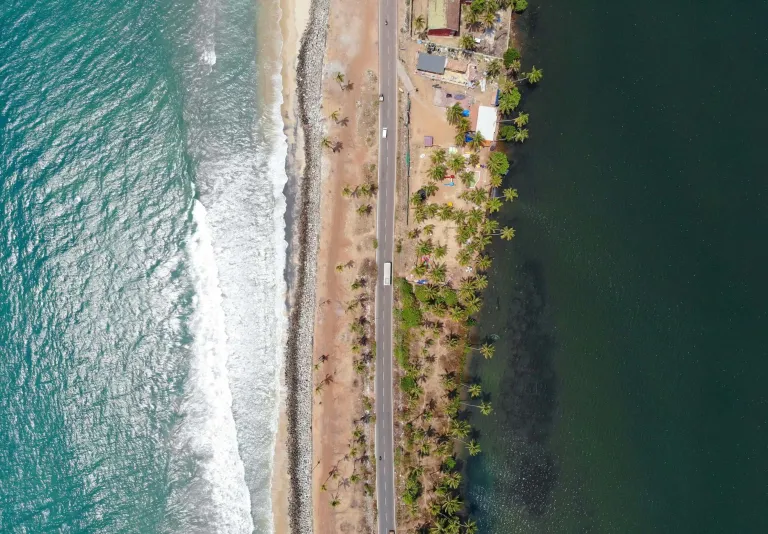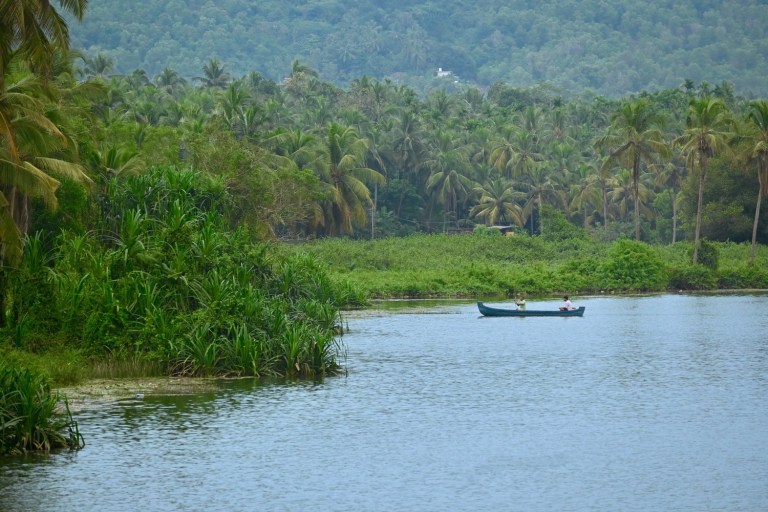

St. Angelo Fort (also called Kannur Fort or St. Angelo’s Fort) is a 500-year-old Portuguese fortress beside the Arabian Sea in Kannur, North Kerala. Known for its laterite walls, colonial cannons, sea-facing bastions, and stunning sunset views, it remains one of the most visited heritage sites in Kannur tourism.
Built in 1505, the fort reflects Kerala’s colonial past and the Malabar Coast’s spice‑trade importance. Today, it is maintained by the Archaeological Survey of India (ASI) and attracts travelers, history lovers, photographers, and families.
Last updated: May 2026 – timings and fees based on ASI guidelines and recent visitor reports.
Table of Contents
- History of St. Angelo Fort
- Why the Fort Is Famous
- Architecture & Visitor Experience
- Best Time to Visit
- Timings, Entry Fee & Parking
- Local Cultural Context – Theyyam, Burnassery & Malabar Coast
- Places to Visit Near the Fort
- Travel Tips for Visitors
1. History of St. Angelo Fort

The fort was built in 1505 by the Portuguese under Dom Francisco de Almeida, India’s first Portuguese Viceroy, with construction led by Goncalo Gil Barbosa. It protected Portuguese trade along the spice‑rich Malabar Coast.
A defining event is the Siege of Cannanore (1507), when the fort survived a four‑month attack by the Zamorin of Calicut and the Kolathiri Raja.
Later, it changed hands:
- 1663 – Captured by the Dutch
- 1772 – Sold to the Arakkal royal family (Kannur’s only Muslim dynasty)
- 1790 – Taken over by the British
The ASI now preserves the fort. Thousands of cannonballs have been found inside during conservation work.
2. Why the Fort Is Famous
- Uninterrupted Arabian Sea views from western bastions
- Colonial architecture – Portuguese, Dutch, British influences
- Sunset photography – laterite stones glow orange at golden hour
- Peaceful sea‑facing walks – cool breezes, fewer crowds on weekdays
- Mappila Bay view – traditional fishing boats create beautiful frames
3. Architecture & Visitor Experience

The triangular fort is built from laterite stone, with thick defensive walls, bastions, watchtowers, and old cannons still in place. Elevated platforms offer 360° views of the coast.
What you’ll see:
- Massive stone walls with ventilation slits
- Several colonial‑era cannons
- A sea wall protecting the fort
Most visitors spend 1–2 hours exploring. Early morning (8 AM) is the quietest; late afternoon (4 PM–6 PM) is best for sunset and cooler weather.
For photos, the western side delivers the most dramatic sea and sunset shots.
4. Best Time to Visit
October to March offers pleasant, dry weather – ideal for sightseeing.
Evening visits (4 PM–6 PM) are recommended because:
- Cooler temperatures
- Better lighting for photography
- Spectacular sunset over the Arabian Sea
Monsoon (June–September) brings lush greenery and dramatic sea views, though paths may become slippery.
✅ Weekdays (Tuesday–Thursday) are less crowded than weekends.
5. Timings, Entry Fee & Parking
Based on official ASI guidelines and recent visitor experiences (as of May 2026):
Category | Details |
Timings | Open daily, 8:00 AM to 6:00 PM |
Entry Fee | ₹25 per person (Indian citizens) – nominal fee for fort maintenance |
Parking Fee | ₹30 for four-wheelers; lower for two-wheelers (collected at the gate) |
Best Hours | 8 AM–10 AM (quiet) or 4 PM–6 PM (sunset) |
Time Needed | 1–2 hours |
Photography | Personal cameras are allowed for free; professional/commercial shoots may require ASI permission |
Snack Shop | A small snack shop is available inside the fort for light refreshments |
📌 Note: Fees are subject to change. The ₹25 entry fee and ₹30 four‑wheeler parking fee have been consistently reported by recent visitors (2025–2026). Foreign nationals may have a different fee structure; please check at the ticket counter.
6. Local Cultural Context – Theyyam, Burnassery & Malabar Coast
Kannur is not just about old forts – it is the land of Theyyam, a thousand‑year‑old ritual art form. Visiting St. Angelo Fort offers a chance to understand the region’s deeper identity.
Theyyam – Unlike any other temple dance, Theyyam features elaborate body painting, towering headgear, and fiery rituals. The fort itself stands near villages where Theyyam is performed between October and May. Ask your taxi driver about nearby kavus (sacred groves) hosting night performances.
Burnassery – The area directly around the fort is locally known as Burnassery. It retains a quiet, old‑world coastal feel, with narrow lanes, small seafood eateries, and fishing families. A short walk from the fort into Burnassery reveals daily life far removed from tourist brochures.
Malabar Coast identity – Kannur was a major spice export hub for black pepper and cardamom. The fort’s cannons once guarded ships loaded with these spices. Today, the local Malabar cuisine – especially Kannur’s kallummakkaya (mussels), karimeen pollichathu (pearl spot fish), and pathiri (rice flatbread) – can be enjoyed at small hotels near Mappila Bay.
Fishing atmosphere – Mappila Bay, adjacent to the fort, is a working fishing harbour. Early morning visits show colourful boats unloading the night’s catch. The salted‑fish drying yards near the bay are a photographer’s delight and a sensory introduction to coastal Kerala.
Adding these layers turns a simple visit to a fort into a rich cultural experience.
7. Places to Visit Near the Fort
Attraction | Distance | Highlight |
Mappila Bay | Adjacent (walk) | Working fishing harbour, boat views |
Burnassery | Surrounding area | Local lanes, seafood stalls, old‑world charm |
Arakkal Museum | ~2 km | History of Kannur’s Arakkal royal family |
Kannur Lighthouse | ~3 km | Panoramic coastal views |
Payyambalam Beach | ~3 km | Clean, peaceful shoreline |
Muzhappilangad Drive‑in Beach | ~15 km | India’s longest drive‑in beach |
Dharmadam Island | ~14 km | Small mangrove island visible from shore |
Suggested half‑day itinerary: Start at St. Angelo Fort (1.5 hours), walk to Mappila Bay and Burnassery (30 minutes), then drive to Arakkal Museum (1 hour). End with sunset at Payyambalam Beach.
8. Travel Tips for Visitors
✅ Visit late afternoon (4 PM–6 PM) for the best weather and sunset.
✅ Wear comfortable footwear – stone paths can be uneven.
✅ Carry drinking water – limited shade; a snack shop is inside but may not sell water.
✅ Weekdays are quieter – especially Tuesday through Thursday.
✅ Combine with Mappila Bay – walk to the fishing harbour after the fort.
✅ Ask locals about Theyyam – if visiting between October and May, you might catch a night performance.
✅ Try local seafood – small eateries near Burnassery serve fresh mussels and fish.
✅ Respect the cannons – they are protected heritage items; please don’t climb or touch.
✅ Keep exact change for entry and parking fees – ₹25 per person + ₹30 for four‑wheelers.
Why You Should Visit St. Angelo Fort Kannur

This fort combines 500 years of colonial history, stunning Arabian Sea views, and authentic local culture – from the fishing boats of Mappila Bay to the nearby Theyyam rituals of Kannur. Whether you’re on a heritage tour, a family trip, or a solo photography journey, St. Angelo Fort remains one of the best places to visit in North Kerala.
📞 Plan your trip with keralataxis – We offer affordable, reliable taxi services to St. Angelo Fort, Muzhappilangad Beach, Theyyam venues, and all Kannur attractions. Book your ride today for a seamless Malabar Coast experience.