
Mohiniyattam, a classical dance form from Kerala, captivates audiences with its delicate movements, graceful expressions, and storytelling. Recognized as one of India’s eight classical dances, its name translates to the “Dance of the Enchantress.” The dance form, with its enchanting gestures and fluid rhythms, evokes beauty and mystery, offering a mesmerizing window into the cultural soul of Kerala.
A Glimpse into the Origins
The origins of Mohiniyattam trace back to the 9th century CE, with the dance form primarily performed in temples by the Devadasis. This tradition is recorded in ancient inscriptions and sculptures found across Kerala. The name “Mohiniyattam” draws inspiration from Mohini, the mythical enchantress from Hindu mythology. Mohini, known for her beauty and ability to charm even the gods and demons, inspired the dance’s enchanting movements. According to legend, Mohini distracted the demons during the churning of the ocean, aiding the gods in their pursuit of the elixir of immortality.
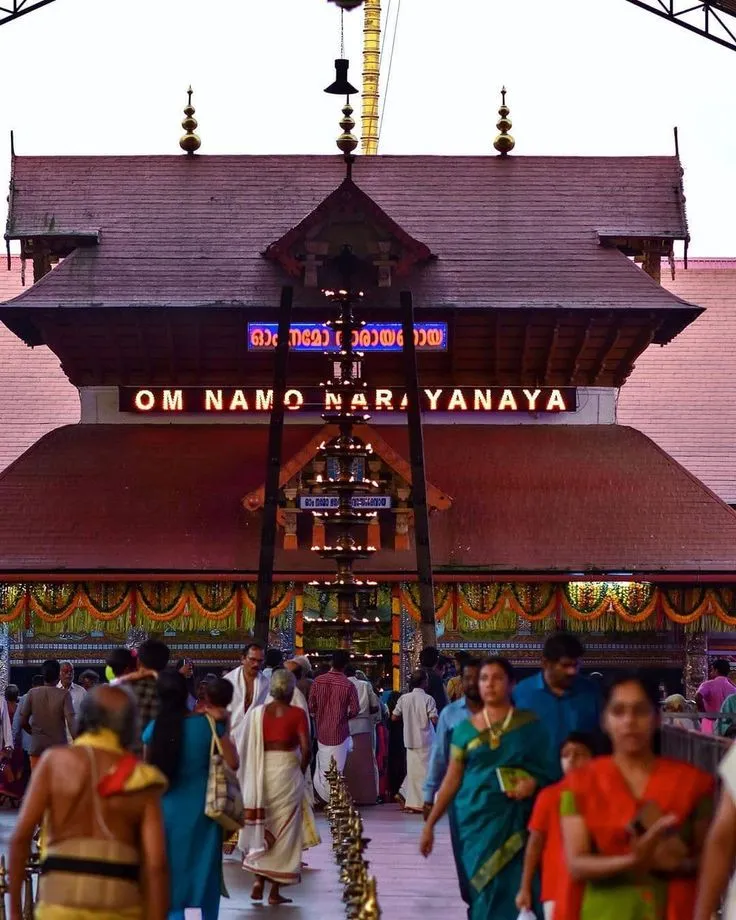
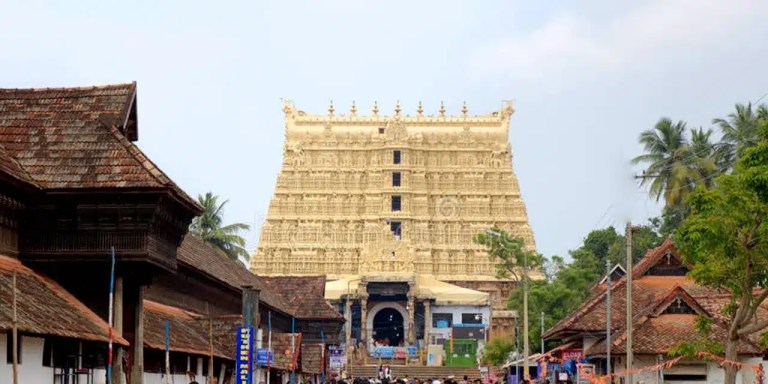
During its early days, Mohiniyattam was not just an art form but a spiritual offering, performed in temples as part of religious rituals. Over centuries, the dance became closely tied to Kerala’s cultural identity, with the lush landscapes and serene backdrops of temples adding to the mystical aura of the performance.
The Revival of Mohiniyattam: A Royal Patronage
The 19th century saw the revival of Mohiniyattam, thanks to the patronage of Swati Tirunal, the Maharaja of Travancore. His deep appreciation for art and culture played a pivotal role in revitalizing this dance form. He provided support to artists and dancers, ensuring that the beauty of Mohiniyattam was preserved while adapting it to contemporary tastes.
Swati Tirunal’s efforts, including the establishment of dance schools and the encouragement of performances in royal courts, not only revived the art form but also helped it reach a wider audience, ensuring its survival well into the modern era.
Mohiniyattam Today: A Living Tradition
Today, Mohiniyattam transcends temple walls, gracing stages at cultural festivals, temple celebrations, and prestigious dance events across Kerala. These performances often draw from India’s great epics, such as the Mahabharata and Ramayana, with dancers narrating intricate stories using graceful hand gestures (mudras), facial expressions, and movement. The dance form’s expressive style—comprising slow, flowing movements coupled with intricate footwork—reflects both divine femininity and poetic elegance.
Witnessing the Magic: A Tourist's Guide to Mohiniyattam
If you’re visiting Kerala, experiencing Mohiniyattam live is a must. Cultural centers in cities like Kochi and Thiruvananthapuram host regular performances. For a true taste of Kerala’s performing arts, the annual Kerala Tourism Festival is a fantastic opportunity, where Mohiniyattam performances are often a highlight. Tickets are usually available at the venue, and the cost may vary based on the scale of the event.
The performances in Kerala are not just a show but a deep dive into the cultural fabric of the state. Many cultural festivals, such as the Onam festival, feature Mohiniyattam, bringing together locals and tourists alike to witness the enchantment.
A Spark for Change: The Controversy and the Call for Inclusivity
In recent years, Mohiniyattam has been the subject of controversy due to statements made by some dancers regarding skin color preferences for performers. This sparked a larger discussion on inclusivity and the discrimination that has historically existed in classical arts. The controversy raised critical questions about representation and how contemporary performers can challenge traditional norms while keeping the dance form relevant in today’s diverse world.
In response, there have been calls for a more inclusive approach to the practice of Mohiniyattam. Dancers, critics, and cultural organizations are advocating for an art form that embraces diversity, ensuring that Mohiniyattam continues to flourish as an expression of beauty, grace, and cultural richness for all.
The Timeless Legacy of Mohiniyattam
Mohiniyattam is not just a dance form; it is a timeless cultural treasure that continues to enchant audiences worldwide. Whether performed in the sacred tranquility of a temple or on the modern stages of cultural festivals, Mohiniyattam remains a symbol of Kerala’s deep spiritual and artistic heritage.
This classical dance is more than just an aesthetic experience—it is a journey through India’s rich mythology, spirituality, and storytelling tradition. For those who seek to explore the roots of this captivating art form, Kerala offers an immersive experience that ties the ancient and the contemporary into one beautiful narrative.