
Kerala, renowned for its lush landscapes and tranquil beauty, is home to some of the most picturesque tea gardens in India. The state’s Western Ghats, with their unique climate and fertile soil, provide the ideal environment for tea cultivation. In this article, we’ll explore the top three destinations in Kerala where you can experience the breathtaking beauty of tea plantations and immerse yourself in the rich heritage of tea production.
1. Munnar: The Crown Jewel of Kerala Tea Gardens
Munnar, located in Kerala’s Idukki district, is often considered the heart of Kerala’s tea country. Nestled at an elevation of 1,600 meters above sea level, this hill station is famous for its sprawling tea gardens that blanket the rolling hills in a lush green hue. The cool climate, misty valleys, and abundant rainfall make Munnar the perfect location for tea cultivation.
A Glimpse into History: Munnar’s tea-growing legacy dates back to the late 19th century. It all began when John Daniel Munro, a British resident of the Travancore Kingdom, visited Munnar in the 1870s. Enchanted by its beauty, Munro leased the Kanan Devan Hills from Kerala Varma Raja, who owned the land. By 1879, the Travancore Land Planting & Agricultural Society was established, marking the beginning of organized tea cultivation in the region.
What to Explore: Today, Munnar is home to some of the oldest and most renowned tea estates in Kerala. Must-visit estates include Pallivasal Tea Estate, Anayirankal Tea Estate, Lockhart Estate, and the world-famous Kolukkumalai Tea Estate, which is known as the highest tea plantation in the world. Visitors can embark on guided tours of these plantations, where they can learn about the intricate process of tea production, from plucking the leaves to the final cup.
Travel Tip: Don’t miss the Tea Museum in Munnar, which offers a fascinating insight into the history of tea in the region. The museum also features antique tea-processing machines and exhibits that trace the evolution of the tea industry in Munnar.
2. Wayanad: The Green Heaven of Malabar

Wayanad, located in the northern part of Kerala, is another popular destination for exploring tea gardens. This serene hill station, often referred to as the “Green Heaven of Malabar,” is characterized by its lush tea estates, dense forests, and majestic mountain peaks. Wayanad’s tea gardens are spread across the undulating hills, creating a stunning contrast against the backdrop of the Western Ghats.
Nature’s Paradise: Wayanad is not just about tea; it’s a treasure trove of natural beauty. The region is home to several peaks, including Vellarimala (2,338 meters), Chembra (2,100 meters), Banasura (2,073 meters), and Brahmagiri (1,608 meters). These peaks, often shrouded in mist, provide a mesmerizing view of the tea gardens below.
Tea Estates to Visit: Among the notable tea estates in Wayanad are Elstone Tea Estate, Achoor Estate, Jessie Tea Estate, Chundale Estate, and Sentinel Rock Estate. Visitors can enjoy guided tours of these estates, where they can walk through the lush plantations, interact with local tea pluckers, and taste freshly brewed tea.
Travel Tip: For an unforgettable experience, plan a trek to Chembra Peak, the highest point in Wayanad. The trek takes you through scenic tea plantations, and at the top, you’ll be rewarded with panoramic views of the entire region.
3. Vagamon: A Hidden Gem Among Kerala's Tea Gardens
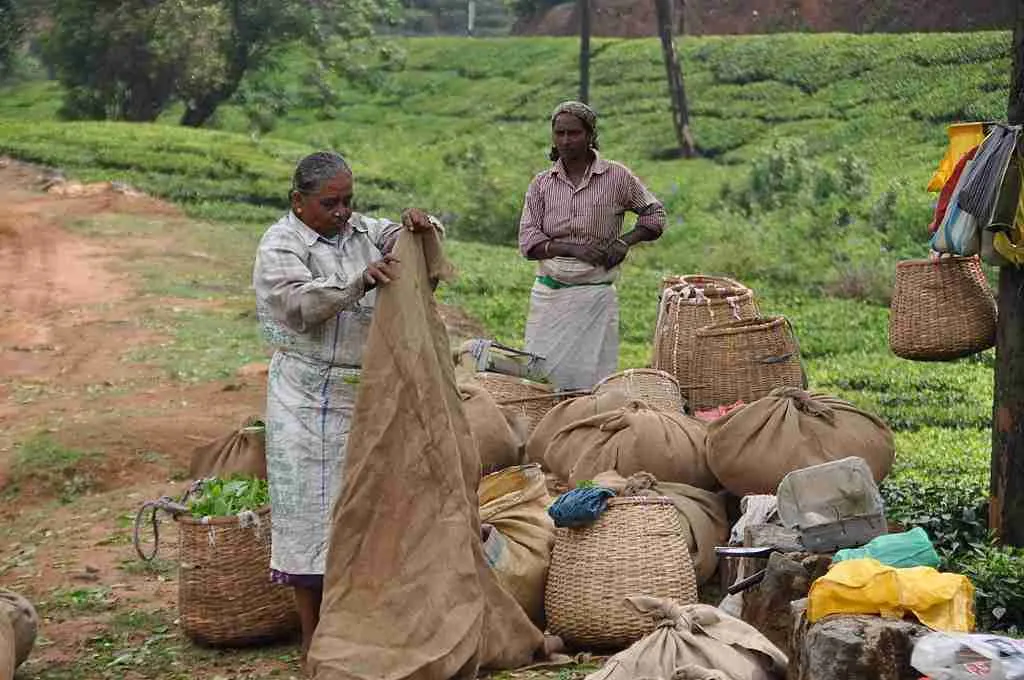
Vagamon, straddling the border between Kottayam and Idukki districts, is a lesser-known yet equally enchanting hill station in Kerala. Situated at an altitude of 3,100 feet above sea level, Vagamon is a tranquil destination surrounded by rolling tea gardens, pine forests, and mist-covered valleys.
A Blend of History and Nature: The history of tea cultivation in Vagamon dates back to the British era, when the thick rainforests were cleared to make way for tea plantations. The British were soon followed by Christian missionaries who settled in the area, particularly in Kurisumala, one of the three hills that form the iconic chain of hills in Vagamon, along with Murugan Hill and Thangalpara.
Exploring Vagamon’s Tea Gardens: Vagamon’s tea estates are less commercialised compared to Munnar and Wayanad, offering a more peaceful and authentic experience. The tea gardens here are interspersed with patches of untouched nature, making it a perfect destination for nature lovers and those looking to escape the hustle and bustle of more touristy spots.
Travel Tip: While in Vagamon, consider staying in one of the eco-friendly resorts or homestays that offer stunning views of the tea gardens. Many of these accommodations organise guided walks through the plantations, allowing you to experience the serene beauty of Vagamon’s tea gardens up close.
Best Time to Visit Kerala’s Tea Gardens
The best time to visit Kerala’s tea gardens is just after the monsoon season, from September to March, when the weather is cool and the tea plantations are at their lushest. During this time, the misty mornings and pleasant temperatures make it ideal for exploring the tea estates and enjoying the panoramic views.
Conclusion
Kerala’s tea gardens are a testament to the state’s natural beauty and rich cultural heritage. Whether you’re sipping tea in the high-altitude estates of Munnar, exploring the green expanses of Wayanad, or soaking in the tranquility of Vagamon, the experience is sure to leave you with lasting memories. So pack your bags, head to Kerala, and immerse yourself in the world of tea cultivation amidst the breathtaking landscapes of the Western Ghats.