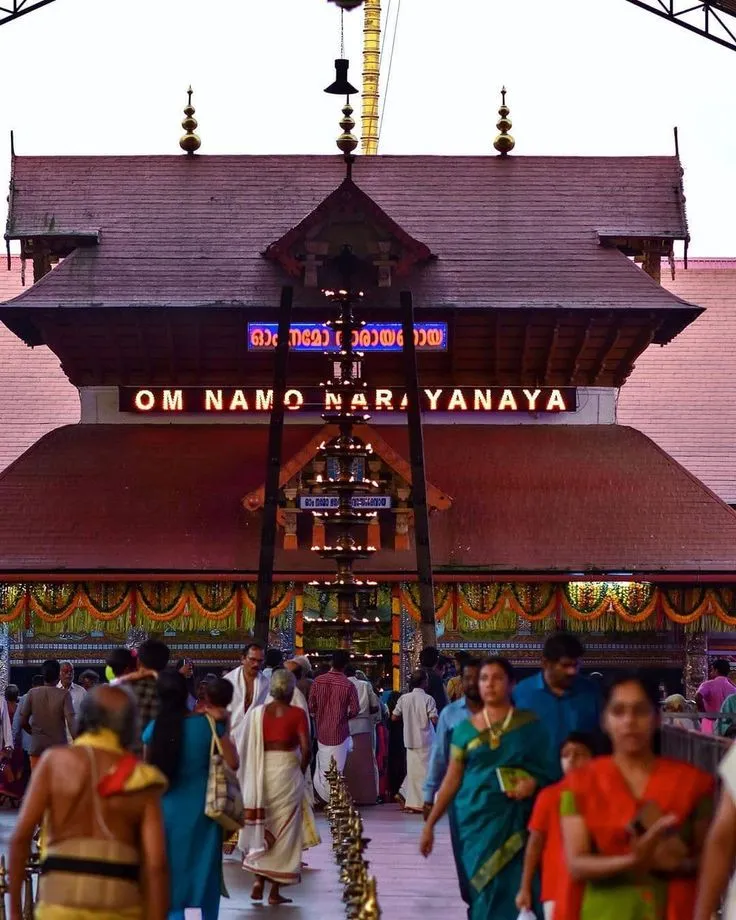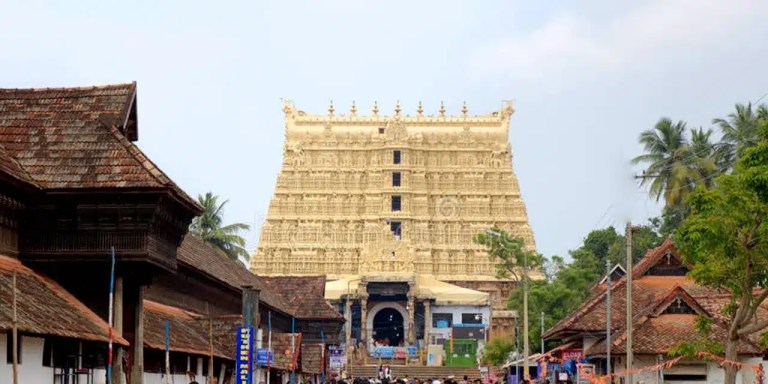
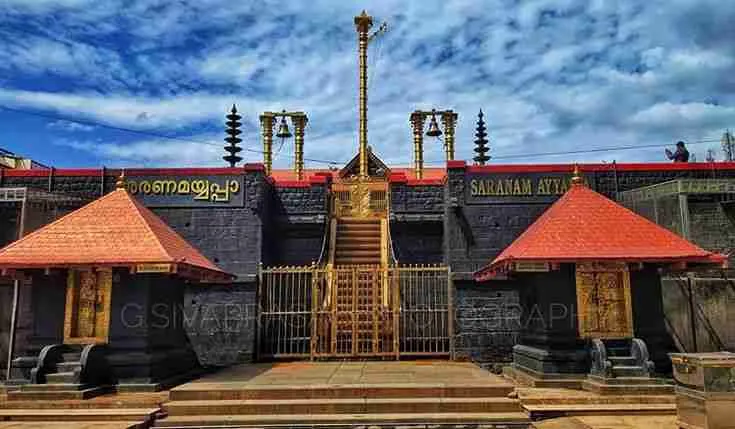
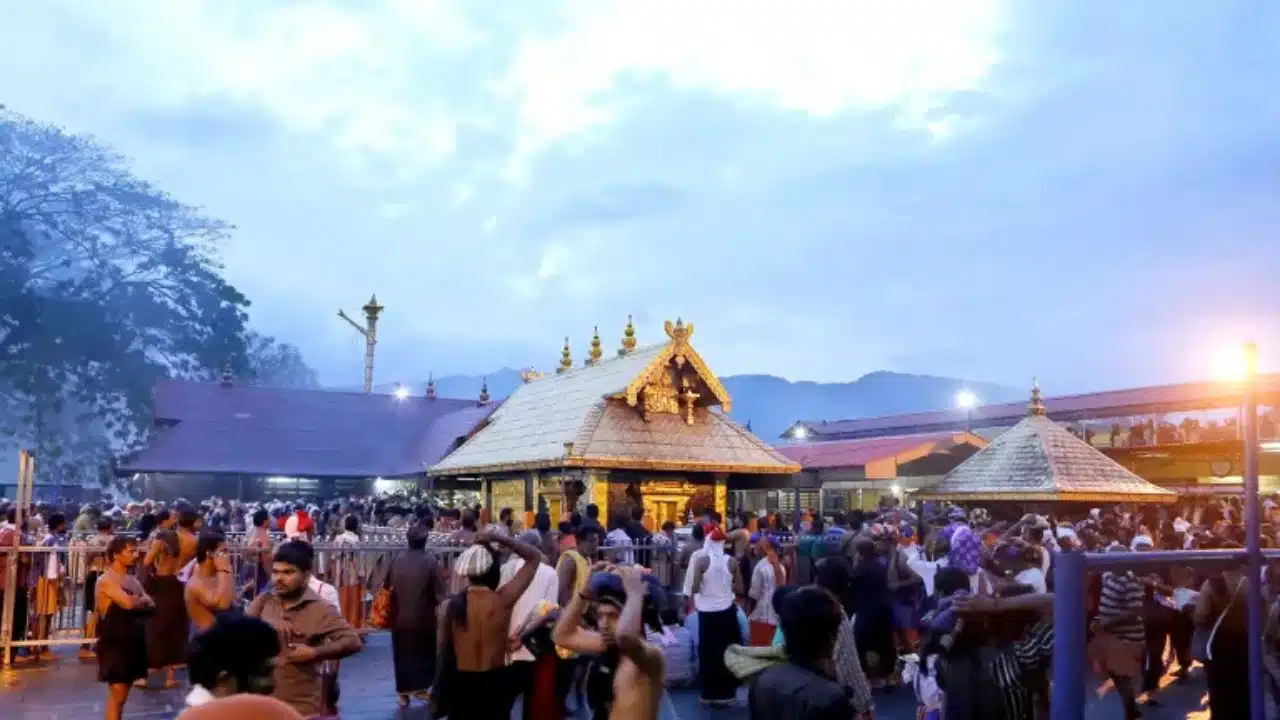
Sabarimala, nestled in the verdant hills of Kerala’s Western Ghats, is not just a pilgrimage destination; it is a symbol of deep cultural heritage and unity. Every year, millions embark on a sacred journey to the Sabarimala temple, dedicated to Lord Ayyappan, known for his virtues of bravery, purity, and wisdom. The journey to Sabarimala is not only a physical one but a spiritual experience that touches the heart of every devotee. In this blog, we will explore the rich history, traditions, and practical advice for those planning to visit this sacred site.
History and Significance of Sabarimala
Sabarimala is one of the most famous pilgrimage centers in India, attracting devotees from across the world. The temple is dedicated to Lord Ayyappan, believed to have been a prince who renounced his royal life to become a deity. The temple’s legend dates back to ancient times, with its roots in the Sabarimala hill, where Lord Ayyappan is said to reside.
What sets Sabarimala apart is its unique celebration of religious harmony. A significant aspect of the temple is its connection to Vavar, a warrior from the Pandya Kingdom near Madurai, who became a devoted follower of Lord Ayyappan after being defeated by him in battle. This act of spiritual surrender symbolizes unity, and the Vavar Mosque at Erumely, built as per Ayyappan’s directive, stands as a beacon of religious coexistence.
This inclusivity is not only present in the temple’s origins but also in its customs and rituals, where people of various faiths come together in reverence for Lord Ayyappan.
Can Women Enter Sabarimala?
The question of whether women can enter Sabarimala has been a controversial topic in recent years. Historically, women of menstruating age (typically 10 to 50 years) were not allowed to visit the temple due to cultural traditions. However, a landmark Supreme Court ruling in 2018 overturned this restriction, allowing women of all ages to enter the temple. This ruling was met with both support and opposition, leading to continued debates.
While the legal ban has been lifted, the issue remains complex, and there have been protests both for and against this change. For those planning to visit, it is important to understand the social and cultural dynamics at play in the region and the ongoing debates regarding women’s entry into the temple.
The Irumudi: A Symbol of Devotion
One of the most important aspects of the pilgrimage to Sabarimala is the carrying of the Irumudi, a traditional two-compartment bag that holds sacred offerings and other items. The Irumudi is not just a physical object but a symbol of the pilgrim’s journey. It represents the burdens, hopes, and prayers of the devotee. While technically, it is possible to enter the temple without an Irumudi, carrying one is highly recommended for the full spiritual experience.
The Irumudi is a vital part of the rituals performed at Sabarimala. Pilgrims are expected to fast and cleanse themselves spiritually in preparation for the trip, and the Irumudi holds offerings such as coconut, ghee, and jaggery, which are used in the temple’s daily rituals. The rituals associated with the Irumudi have been passed down for centuries and are an integral part of the pilgrimage experience.
Visiting Sabarimala: When to Go
Sabarimala remains open year-round, though specific times are more significant for pilgrims:
- Monthly Pujas: Occur each month for about five days.
- Special Festivals: Include the Makaravilakku (January 15), Vishu (April 14), and the Sabarimala Festival (March 15-25).
- Mandala Pooja Mahotsavam and Makaravilakku: The temple opens from November 15 through January 20, marking the most important spiritual periods.
- Visiting Hours: Typically, the temple is open from 5:00 AM to 10:00 PM, but during peak periods, these hours may be extended.
These festivals, particularly Makaravilakku, which marks the festival of lights, draw large crowds. Pilgrims can expect a busy atmosphere during these times, and advance planning is advised to avoid long waits or crowded conditions.
| Month | Item | Opening Date | Closing Date |
|---|---|---|---|
| December 2024 | Makaravilakku | 30/12/2024 | 20/01/2025 |
| January 2025 | Makaravilakku Day | 15/01/2025 | |
| January 2025 | Guruthi Puja | 19/01/2025 | |
| February 2025 | Monthly Pooja - Kumbham | 13/02/2025 | 18/02/2025 |
| March 2025 | Monthly Pooja - Meenam | 13/03/2025 | 18/03/2025 |
| Sabarimala Festival | 15/03/2025 | 25/03/2025 | |
| Kodiyettu (Dhwajarohan) | 16/03/2025 | ||
| Pankuni Uthram & Arattu | 25/03/2025 | ||
| April 2025 | Monthly Pooja - Medam | 10/04/2025 | 18/04/2025 |
| Vishu | 14/04/2025 | ||
| May 2025 | Monthly Pooja - Edavam | 14/05/2025 | 19/05/2025 |
| Deity Installation Day(Prathista Dinam) | 18/05/2025 | 19/05/2025 | |
| June 2025 | Monthly Pooja - Mithunam | 14/06/2025 | 19/06/2025 |
| July 2025 | Monthly Pooja - Karkkidakam | 15/07/2025 | 20/07/2025 |
| August 2025 | Monthly Pooja - Chingam | 16/08/2025 | 21/08/2025 |
| September 2025 | Onam | 13/09/2025 | 17/09/2025 |
| Monthly Pooja - Kanni | 16/09/2025 | 21/09/2025 | |
| October 2025 | Monthly Pooja - Thulam | 16/10/2025 | 21/10/2025 |
| Sree Chithra Atta Thirunal | 30/10/2025 | 31/10/2025 | |
| November 2025 | Mandala Pooja Maholsavam | 15/11/2025 | 26/12/2025 |
| December 2025 | Mandala Pooja | 26/12/2025 | 26/12/2025, 22:00 |
| Makaravilakku | 30/12/2025, 17:00 | ||
| January 2026 | Makaravilakku | 30/12/2025 | 20/01/2026, 06:00 |
How to Reach Sabarimala
Getting to Sabarimala involves a journey through Kerala’s picturesque hills and forests. The nearest access point by vehicle is Pamba, a town located at the foot of the hill. From Pamba, pilgrims begin the final leg of the journey by foot, which involves a 7 km trek to the temple at the top of the hill.
For convenience, Kerala Taxis offers private taxi services that provide door-to-door service to Pamba. Here are some advantages of using a taxi service:
- Door-to-Door Convenience: Avoid the hassle of navigating public transport systems, and enjoy a seamless journey.
- Customizable Pit Stops: With a taxi, you can stop at various important shrines along the way, such as the Vavar mosque or other temples.
- Cost-Effective for Groups: Traveling in a group? A taxi is often more affordable than individual public transport tickets.
- Flexible Schedule: Unlike public transport, a taxi allows you to travel at your own pace and stop wherever you like to explore, making the journey more personalized.
Though public transport is available, taxis provide a more comfortable and flexible option, ensuring that you can focus entirely on your spiritual journey.
Booking Sabarimala Prasadam Online
If you are unable to visit Sabarimala in person, you can still partake in the blessings of Lord Ayyappan by booking Sabarimala Prasadam online. This service allows devotees to receive the sacred offerings, ensuring that the spiritual connection remains strong, even from afar. It’s a great way for people around the world to participate in the tradition and receive the sacred blessings of Lord Ayyappan.
Conclusion: Embark on a Sacred Journey
The pilgrimage to Sabarimala is more than just a journey to a temple. It is a journey of spiritual purification, devotion, and religious harmony. Whether you’re visiting for the first time or returning after years, Sabarimala offers a transformative experience that connects you with the divine and with millions of pilgrims who share in this sacred tradition.
As you prepare for your visit, consider the spiritual significance of the pilgrimage, respect the traditions, and make the most of your journey. Whether you choose to carry the Irumudi, walk the sacred path to the temple, or travel by taxi for a more relaxed experience, the essence of Sabarimala will remain with you long after you leave.
Ready to begin your spiritual journey? Contact Kerala Taxis to book your ride today, and let us handle the logistics while you focus on your divine worship. With Kerala Taxis, your path to Sabarimala is just a comfortable ride away.