Hidden among the misty hills of the Wayanad, En Ooru Tribal Heritage Village offers one of the most unique cultural experiences in the state. Unlike typical tourist attractions, this destination introduces travelers to the living traditions, architecture, art, and daily life of Kerala’s indigenous tribal communities.
Located near Pookode Lake, this 25-acre heritage village was developed by the Kerala Tourism Department and the Department of Scheduled Tribe Development to preserve tribal heritage while supporting the livelihoods of local communities.
If you want to experience authentic culture beyond Kerala’s beaches and backwaters, visiting En Ooru Wayanad is an unforgettable journey into the heart of indigenous traditions.
What is En Ooru Wayanad?

En Ooru Wayanad is Kerala’s first dedicated tribal heritage village designed to showcase the lifestyle, culture, and traditions of the tribal communities living in the Western Ghats region.
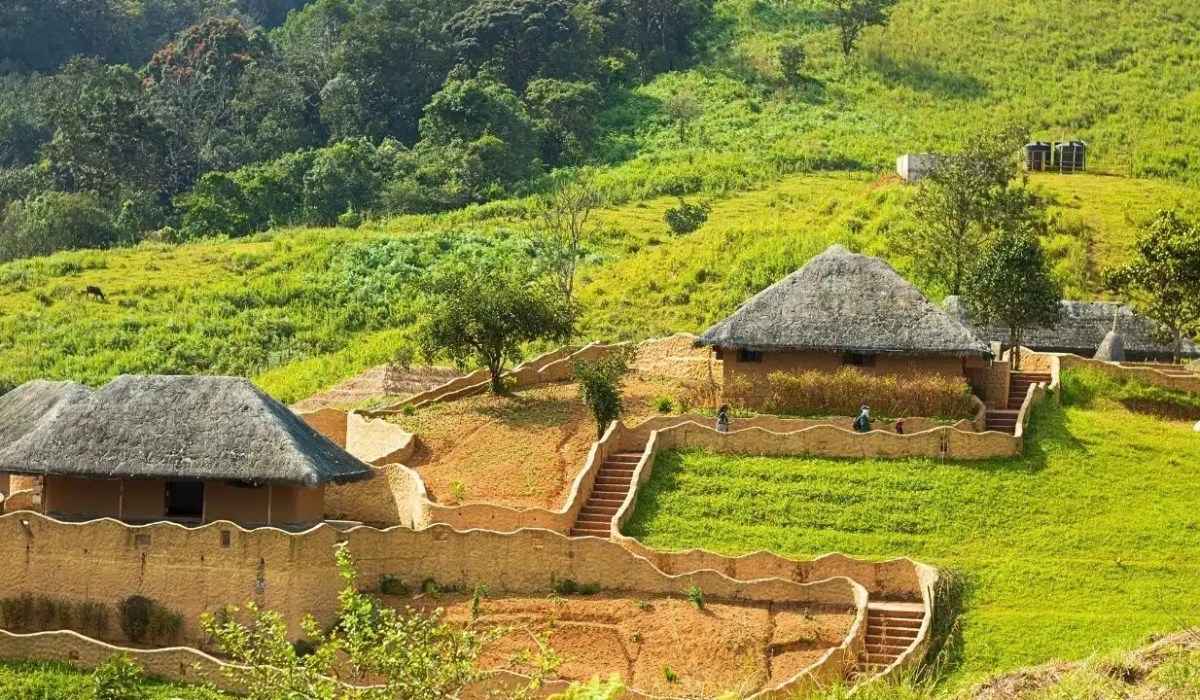
Spread across scenic hill slopes near Vythiri, the village features:
- Traditional tribal huts are built using natural materials
- Cultural performance spaces
- A tribal marketplace selling handmade crafts
- Cafeterias serving authentic tribal cuisine
- Craft workshops and cultural exhibitions
The name “En Ooru” literally means “My Village”, reflecting the project’s goal of allowing tribal communities to represent their culture on their own terms.
Tribal Communities Represented in En Ooru
The district of Wayanad has the largest tribal population in Kerala. The heritage village highlights the traditions of several indigenous communities, including:
- Kurichya tribe
- Kuruma tribe
- Adiya tribe
- Kattunayakan tribe
- Irular tribe
- Hill Pulaya tribe
These communities have lived in harmony with the forests of the Western Ghats for centuries, developing sustainable lifestyles based on farming, forest produce, hunting traditions, and herbal knowledge.
Traditional Architecture and Tribal Huts
One of the main highlights of En Ooru Wayanad is its cluster of traditional tribal huts.
These huts are built using natural materials such as:
- Bamboo
- Mud walls
- Wooden frames
- Thatched grass roofs
The structures demonstrate the sustainable architecture used by tribal communities for generations. The design keeps interiors naturally cool even during hot afternoons, showing how indigenous knowledge works with nature instead of against it.
Walking through these huts gives visitors a rare glimpse into the living spaces and social organization of tribal villages.
Cultural Performances and Tribal Art Forms
At the center of the village lies a beautifully designed open-air amphitheater, where visitors can witness traditional tribal performances.
Some of the art forms showcased include:
- Thudi Thalam
- Mavilan Pattu
- Tribal dance rituals
- Traditional drum performances
These performances are not just entertainment—they help preserve cultural traditions and pass artistic knowledge from elders to younger generations.
The Tribal Market Experience
A visit to En Ooru Wayanad is incomplete without exploring the vibrant tribal marketplace.
Here, visitors can buy:
- Bamboo baskets and crafts
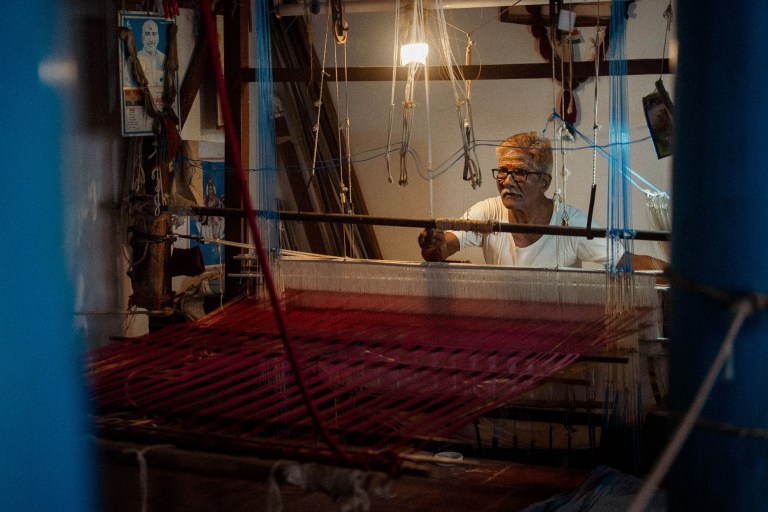
- Hand-woven textiles
- Wild forest honey
- Herbal medicines and natural remedies
- Traditional tribal tools such as bows and arrows
The market directly supports tribal artisans and farmers, making tourism beneficial for the local community.
Buying products here means contributing to a sustainable tribal economy.
Authentic Tribal Cuisine
Food is another fascinating part of the En Ooru experience.
The village features cafeterias serving traditional tribal dishes made from locally sourced ingredients, including:
- Forest tubers
- Wild leafy vegetables
- Millets
- Natural spices from the Western Ghats
Meals are often served on banana leaves, reflecting Kerala’s traditional dining style.
This cuisine highlights the deep connection between tribal communities and the forests surrounding Wayanad.
Activities to Enjoy Near En Ooru Wayanad
Because of its location near Vythiri, visitors can easily combine their trip to En Ooru with other popular Wayanad attractions.
Nearby places include:
- Pookode Lake – boating and scenic lake views
- Lakkidi View Point – panoramic views of the Western Ghats
- Karlad Lake – adventure activities like kayaking and ziplining
- Chembra Peak – a famous trekking destination with a heart-shaped lake
These attractions make it easy to plan a full-day itinerary around En Ooru.

Entry Fee and Visiting Time
Visitors planning a trip to En Ooru Wayanad should know the following details:
Entry Fee
- Adults: ₹50
- Children (5–10 years): ₹20
- Shuttle Service: ₹40
- Camera Fee: ₹150
Visiting Time
- Open daily: 9:00 AM – 4:30 PM
Private vehicles are not allowed in the hilltop village, so visitors must use the official shuttle service from the parking area near the Kerala Veterinary and Animal Sciences University gate.
The best time to visit En Ooru Wayanad is between September and May, when the weather in Wayanad is cool and pleasant. It is recommended to avoid the June–August monsoon season, as heavy rains can make travel difficult in the hill region.
Why En Ooru Wayanad is a Must-Visit Cultural Destination

In a world where modernization often threatens indigenous traditions, En Ooru Wayanad stands as a powerful example of cultural preservation.
The village is not just a tourist attraction—it is a living cultural space where tribal communities share their knowledge, art, food, and traditions with visitors.
From exploring bamboo huts and watching traditional dances to tasting forest-inspired cuisine and supporting local artisans, every experience here connects travelers with the true spirit of Wayanad.
For travelers planning to explore Wayanad and other cultural destinations across the state, choosing the right travel plan can make the journey more comfortable. Many visitors combine places like En Ooru with nearby attractions while exploring the region through well-planned Kerala taxi packages, making it easier to experience the landscapes, culture, and heritage of Kerala at a relaxed pace.
Ultimately, visiting En Ooru Wayanad is not just about sightseeing—it is about discovering the deep cultural roots of Kerala and experiencing the timeless traditions of the Western Ghats.