Kerala is home to some of India’s most breathtaking wildlife sanctuaries and national parks, each offering unique biodiversity, captivating landscapes, and a haven for endangered species. Whether you’re a wildlife enthusiast or a nature lover, these parks provide a rich experience. Here’s a comprehensive guide to Kerala’s most prominent wildlife reserves.
1. Periyar Tiger Reserve – Thekkady
Periyar Tiger Reserve, located in Thekkady, spans an impressive 925 sq. km and is one of India’s 51 tiger reserves. The Periyar and Pamba rivers flow through the area, supporting diverse wildlife and flora. Periyar is not only a tiger reserve but a rich ecosystem teeming with elephants, sambar deer, gaurs, leopards, and the elusive Nilgiri tahr.
- Key Facts:
- Area: 925 sq. km
- Best Time to Visit: October to June
- Wildlife: Tigers (latest count: 40+), Elephants, Leopards, Sambar, Nilgiri Tahr, and more
- Activities: Guided boat tours on Periyar Lake, Jungle safaris, and nature walks
- Conservation Note: Periyar is known for its community-based eco-tourism initiatives, allowing local tribes to play a key role in protecting the park’s ecosystem.
2. Eravikulam National Park – Rajamala
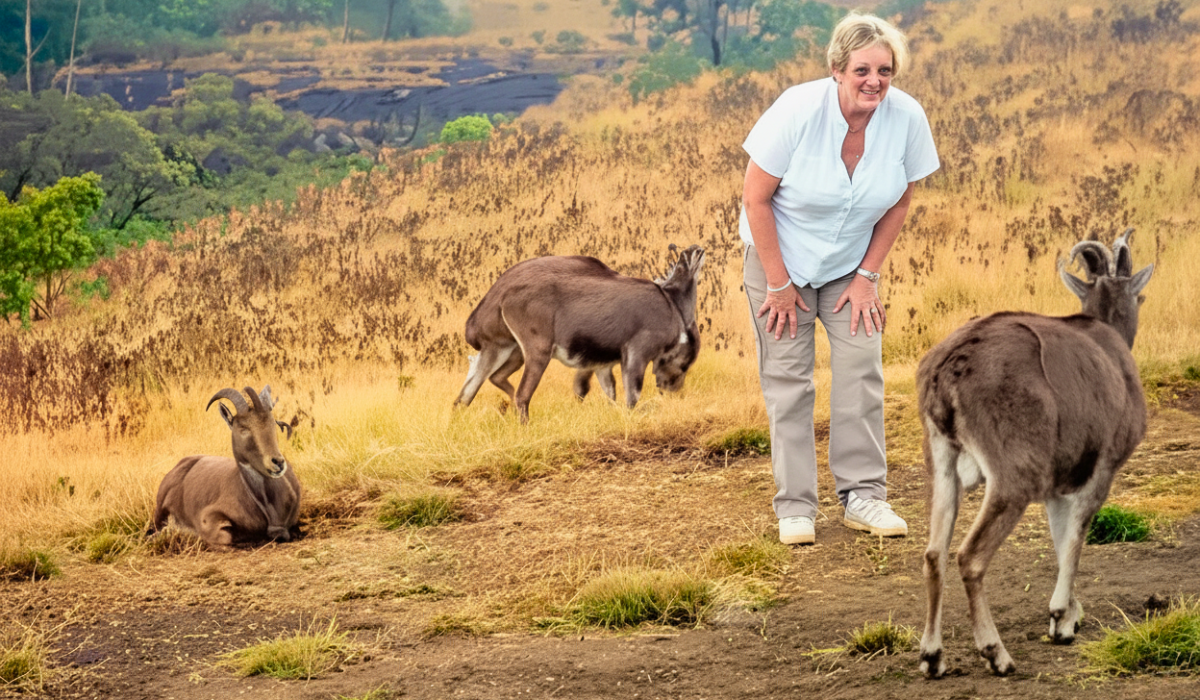
Eravikulam National Park, located near Munnar, covers an area of 97 sq. km. It is famed for housing the endangered Nilgiri Tahr, a mountain goat native to the Western Ghats. The park closes from January to March each year to protect the species during its calving season.
- Key Facts:
- Area: 97 sq. km
- Notable Feature: Anamudi Peak (2,695 meters), the highest peak in South India
- Wildlife: Nilgiri Tahr, Indian Bison, Nilgiri Langur, Leopards
- Best Time to Visit: September to November, April to June (closed January to March)
- Activities: Guided wildlife treks, visits to Anamudi Peak
Visitors are transported in park-run vehicles as private vehicles are not allowed to preserve the area’s delicate ecosystem.
3. Parambikulam Tiger Reserve
Nestled in Palakkad district, the Parambikulam Tiger Reserve is a 285 sq. km sanctuary known for its teak plantations, dense forests, and rich wildlife. The Parambikulam Dam is also a highlight, being one of the largest embankment dams in the world.
- Key Facts:
- Area: 285 sq. km
- Wildlife: Tigers, Elephants, Leopards, Wild Boar, Sloth Bear, Barking Deer, and over 140 bird species
- Best Time to Visit: November to March
- Activities: Trekking, Bamboo rafting, and wildlife safaris
- Conservation Note: Parambikulam has a sustainable tourism program that emphasizes conservation education and eco-friendly activities.
4. Chinnar Wildlife Sanctuary
Located in the rain-shadow region of the Western Ghats, Chinnar Wildlife Sanctuary is known for its unique thorny scrub forests and dry conditions. Despite the sparse rainfall, the sanctuary supports rare species such as the nearly extinct Indian Grizzled Giant Squirrel.
- Key Facts:
- Area: 90 sq. km
- Wildlife: Indian Grizzled Giant Squirrel (approx. 200 left), Elephants, Gaurs, Peacocks, and Sambar Deer
- Best Time to Visit: December to February
- Activities: Trekking, spotting rare flora and fauna, camping near the sandalwood forest
Trekking through the semi-arid landscapes offers an experience distinct from the tropical forests typically found in Kerala.
5. Muthanga Wildlife Sanctuary
Muthanga, part of the larger Wayanad Wildlife Sanctuary, is an integral part of the Nilgiri Biosphere Reserve. Located adjacent to Karnataka’s Bandipur and Tamil Nadu’s Mudumalai reserves, it serves as a critical migratory corridor for elephants and other animals.
- Key Facts:
- Area: 345 sq. km (Wayanad Sanctuary)
- Wildlife: Elephants, Tigers, Gaurs, Sloth Bears, and numerous bird species
- Best Time to Visit: October to May
- Activities: Jeep safaris, Elephant rides (by forest department)
Muthanga is also known for its butterfly population and is part of the government’s Project Elephant initiative.
6. Sholayar Wildlife Sanctuary
The Sholayar Wildlife Sanctuary is located in the Western Ghats and is one of the few places where the endangered Great Hornbill can be found. The sanctuary is close to the famous Athirappilly Waterfalls, a popular tourist destination.
- Key Facts:
- Area: 160 sq. km
- Wildlife: Great Hornbill, Elephants, Tigers, and other endemic species
- Best Time to Visit: September to February
- Attraction: Athirappilly Waterfalls (80 feet high)
The Sholayar forests are a UNESCO World Heritage site and part of the Western Ghats Biodiversity Hotspot.
7. Neyyar Wildlife Sanctuary
Located in the southernmost part of Kerala, Neyyar Wildlife Sanctuary is rich in biodiversity and serves as a genetic pool reserve. Opened in 2007, its crocodile farm is one of its key attractions.
- Key Facts:
- Area: 128 sq. km
- Wildlife: 39 species of mammals, 176 species of birds, and 30 species of reptiles
- Best Time to Visit: November to March
- Activities: Crocodile farm visits, Lion safari, and boat rides on Neyyar Lake
- Conservation Note: The Steve Irwin Crocodile Rehabilitation Center (opened in 1977) is part of the sanctuary’s conservation efforts.
8. Silent Valley National Park
Silent Valley is Kerala’s largest national park, famous for its ecological importance and as the birthplace of India’s “Save Silent Valley” movement, which prevented a major hydroelectric project in the 1980s. The park remains pristine and relatively untouched by human activity.
- Key Facts:
- Area: 237 sq. km
- Wildlife: Lion-tailed macaques, Tigers, Elephants, and over 1,000 species of flowering plants
- Best Time to Visit: December to April
- Activities: Eco-tourism initiatives, trekking
Silent Valley National Park represents one of the most significant conservation successes in India, preserving a rich, untouched rainforest ecosystem.
9. Idukki Wildlife Sanctuary
Idukki Wildlife Sanctuary, located in Kerala’s highlands, is surrounded by the rivers Cheruthoni and Periyar, making it a lush green sanctuary teeming with wildlife. The scenic Idukki Arch Dam is nearby, adding to the allure of this nature haven.
- Key Facts:
- Area: 106 sq. km
- Wildlife: Elephants, Sambar Deer, Wild Boar, Tigers, and various snakes (Cobra, Kraits, Viper)
- Best Time to Visit: November to March
- Activities: Boat rides on the lake, wildlife spotting from vantage points
10. Aralam Wildlife Sanctuary
Aralam is a lesser-known sanctuary nestled on the slopes of the Western Ghats. Its highland forests provide a majestic backdrop for the wildlife that roams freely across its rugged terrain.
- Key Facts:
- Area: 55 sq. km
- Wildlife: Elephants, Sambar Deer, Malabar Giant Squirrel, Nilgiri Langur
- Best Time to Visit: October to May
Attraction: Katti Betta Peak (1,145 meters), offering panoramic views
Conclusion
Kerala’s wildlife sanctuaries offer more than just an escape into nature. They are vital conservation areas protecting endangered species and preserving the region’s rich biodiversity. Whether you’re here for a jungle safari, a peaceful trek, or simply to admire the stunning flora and fauna, these sanctuaries are a must-visit for anyone exploring God’s Own Country.
Be sure to respect local guidelines, maintain eco-friendly practices, and embrace the beauty of these natural wonders responsibly.